
40 Years of Landcare - The Creek to Creek Bio-link.
Looking back to the beginning of the Yarrilinks Landcare Network with David Tepper
Hidden amidst the back roads of Minyip south in the Wimmera, where the sky dominates the horizon across broad acres of agricultural land, stands "Isalea" - a 100-year-old farmhouse, farm, and quiet slice of the landscape that has been nurtured for more than 40 years of environmental regeneration by stewards and landowners, David and Maxine Tepper.
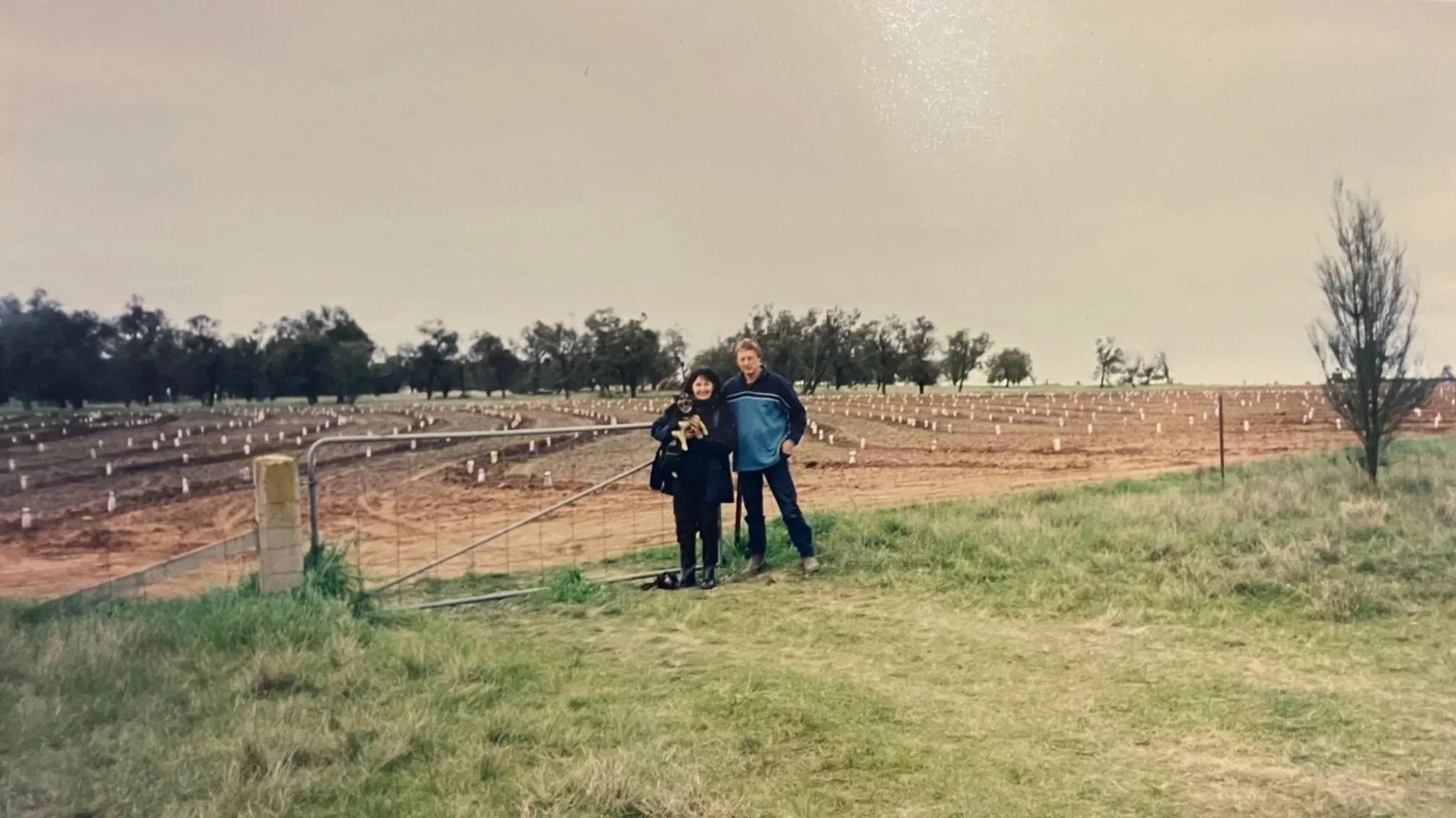
Everything about Isalea remains as it did three generations before; from the decorative verandah awnings of the old house to the squeaky garden gate at the top of a driveway beholden by the rows of Sugar gums planted by David's grandmother in her early married life. "People planted Sugar gums back then" says David of the South Australian species now as old as the dwelling as we climb into the classic farm ute, windscreen crack and all, for the property tour to begin. We're barely out of the driveway before the Landcare funded projects begin to present themselves. "That fence" he says nodding his head, "that was our first Landcare grant in 1998", back when there was a lot of funding available for fences as the new State supported Landcare movement unfurled and with it the development of the Yarrilinks Landcare Network of which the Tepper's played a significant part.
We drive slowly to the adjoining blocks, with David pointing in each direction to detail the years of Landcare planting across his now covenanted land. A Buloke remnant on one side of the road hosts a curious wallaby, whilst the black box trees further afield stand healthy in Jeffrey's Swamp. David comments of the trees that “they’re a bit thirsty” acknowledging a landscape looking forward to seasonal rains. He talks of the abundant birds that frequent the trees here while pointing to one grand old box that currently hosts the nest of paired wedge tailed eagles. He reminisces of his childhood, detailing the wet years when the black box swamp would fill with water, and the local children would paddle canoes across the paddocks to the disturbance of hundreds of ducks. In the Spring that followed, the landscape would be covered in native wildflowers in an abundance now unseen for decades, "chemical drift" being David's forlorn presumption for the absences. The tour continues across the back of the property and down the way, and David chats freely about the changing landscape over his time at Isalea. Quietly stated, he says "it used to be trees, but we've had great farming ambitions over the years" as we drive past acres of clean paddocks and obviously productive farmland. And yet, uniquely, each paddock of the Tepper's hosts its own prominent pocket of revegetated biodiversity. David explains the years of "going back to Landcare", where from 1998 to 2018 they developed wildlife corridors through ripping and direct seeding to link the remnants as part of the Minyip Landcare group, remarking that the revegetation projects on farm "had to be done on our own back then, own cost, own labour".
David was a founding member and chairperson of the Minyip Landcare and VFF group when the Landcare movement reached the Wimmera in the 1990s and his property is one of few that showcase decades of revegetation plantings that now provide critical habitat and refuge across the ever-expanding horizon of farm paddocks. It was in this time and under his dutiful reign that the Yarrilinks Landcare groups looked towards forming a network and with that came the first Yarrilinks Landcare Network project and birthplace of the now Yarrilinks Plant Out, an ongoing lineage to the 'Creek to Creek Biolink and Yarriambiack Strategic Biolink Project'.
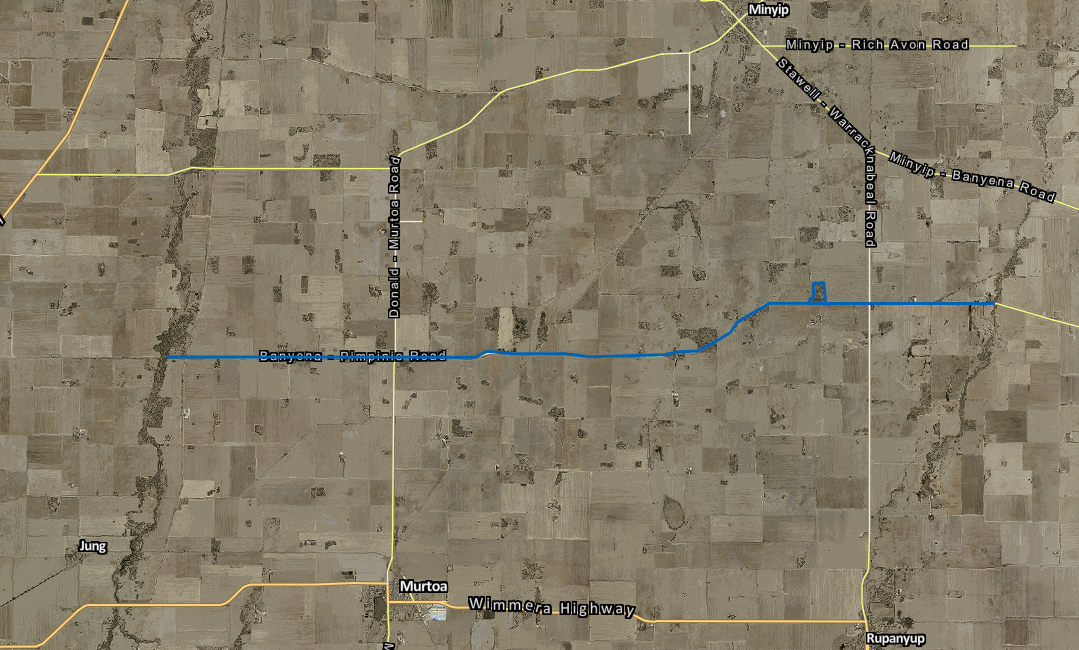
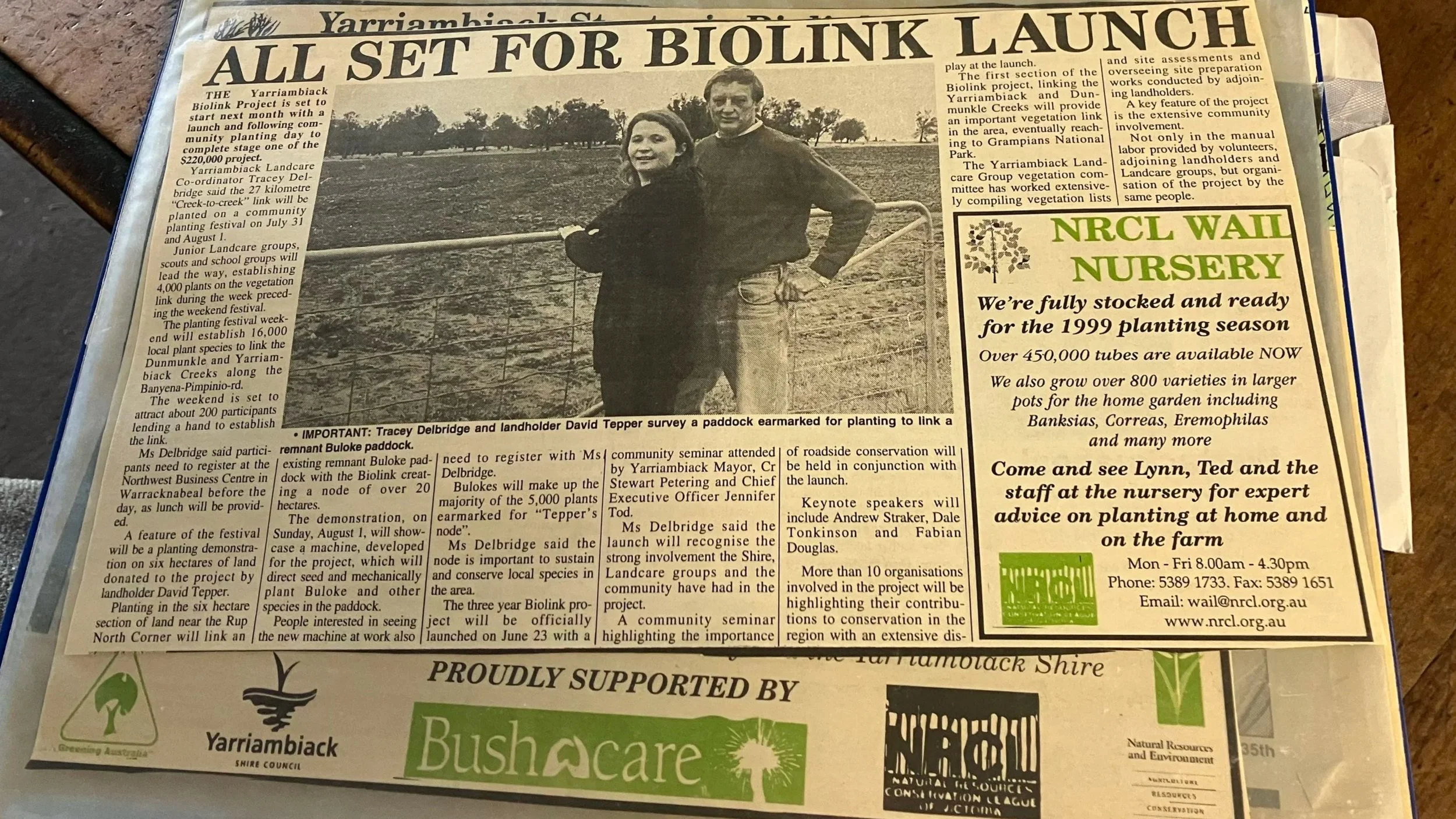
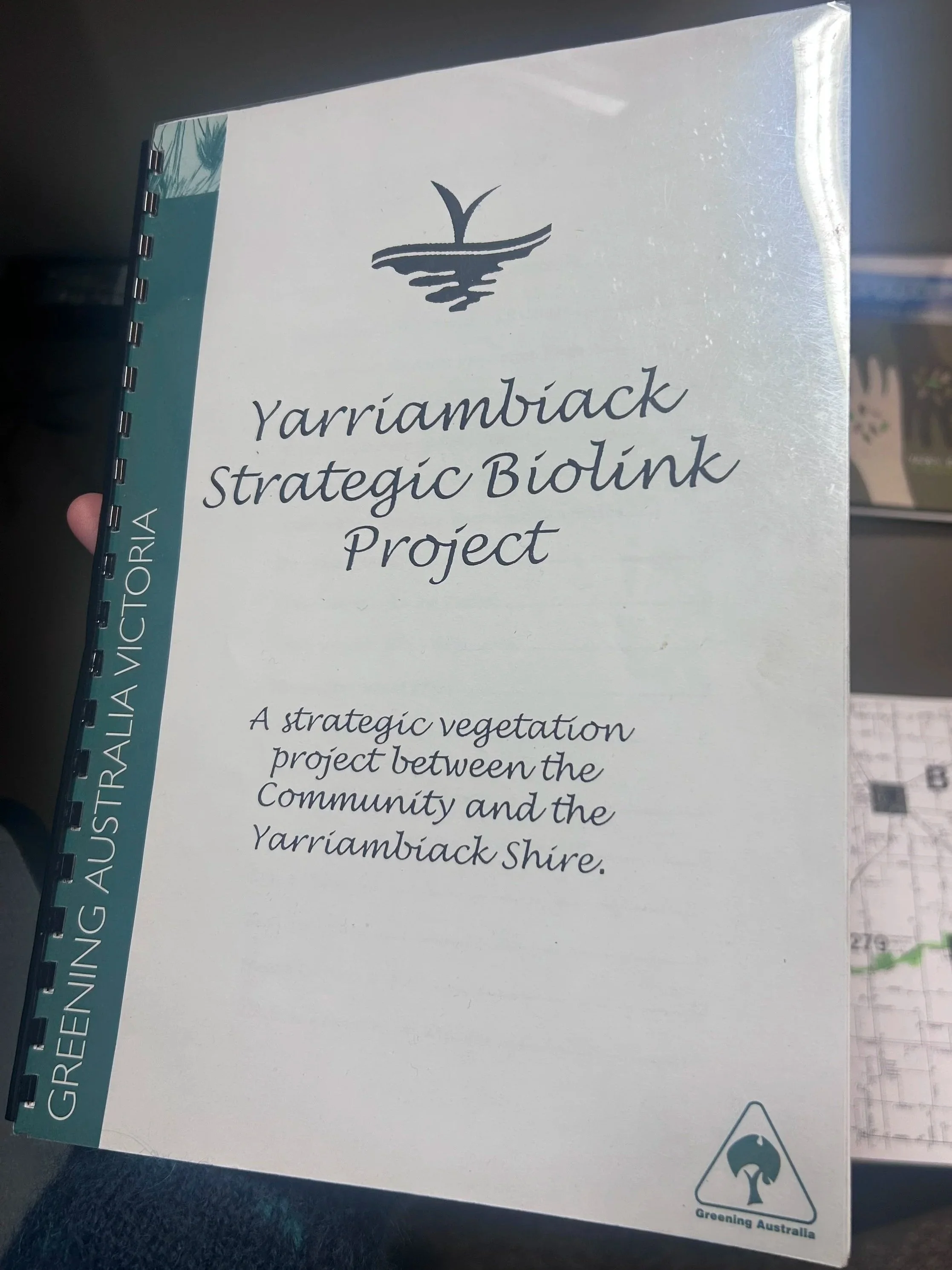
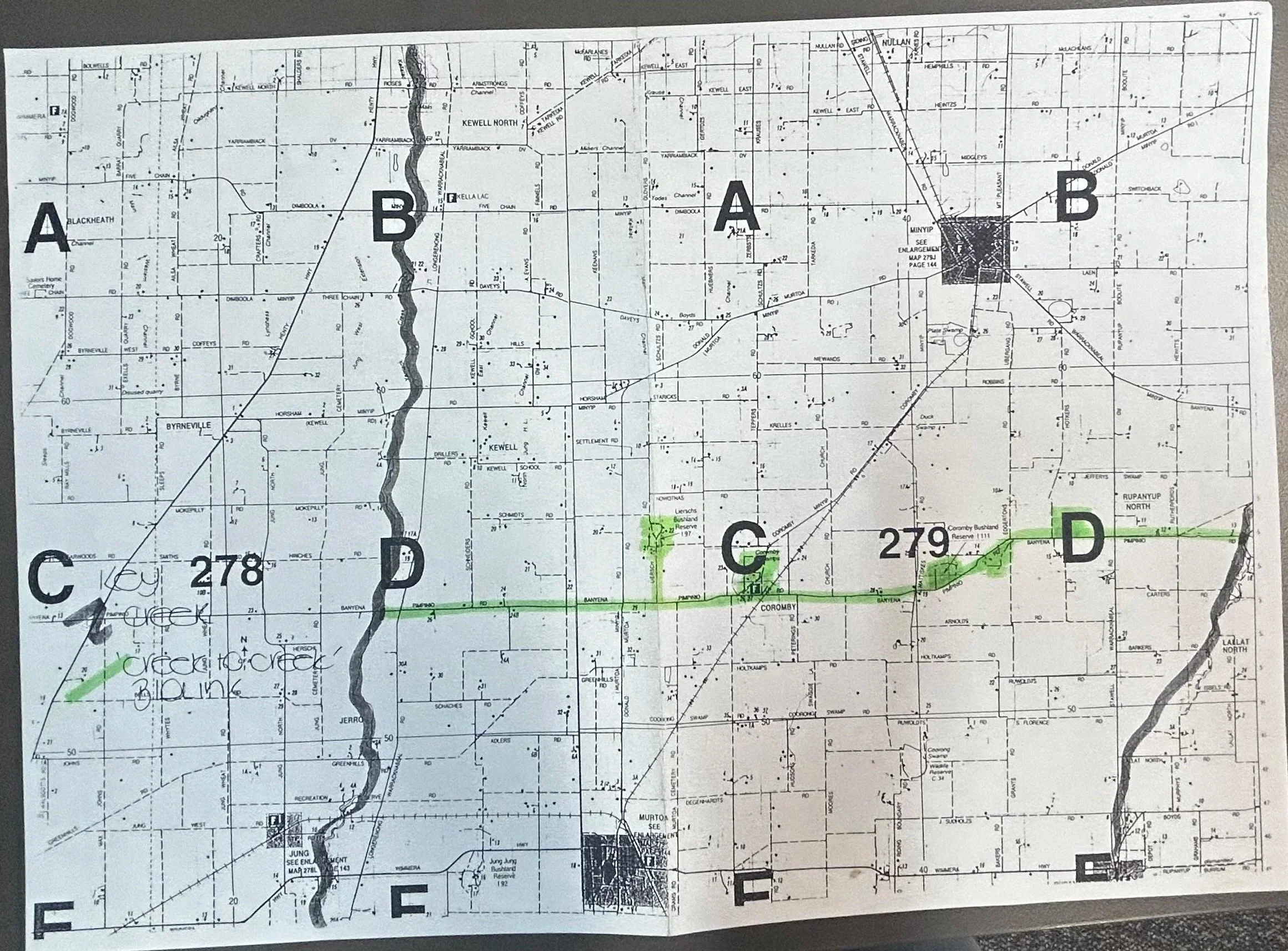
The Yarrilinks Strategic Bio-link project was an ambitious project devised to create a bio-link between the Dunmunkle and Yarriambiack creeks, encompassing private land from a handful of committed farmers and landholders, and stakeholders including Greening Australia and Yarriambiack Shire.
We sit down to lunch where Maxine has made tea and sandwiches and the stories continue. Maxine states of David proudly, that in tireless work, he was one of the 11 landholders that gave up hectares of valuable farmland for the greater environmental good of the project. It was an agreeable solution to support the travel of native fauna between the two creeks without disrupting too much agricultural land. The bio-link comprises of 22km of land down the Banyena-Pimpinio road, of which in 1999 was ripped and direct seeded with “a little tractor”, David smiles at the memory, with each landholder responsible for their own rip-lines. He details the tireless efforts of organisers Rae, Beryl and Jackie at the beginning of the project in 1998, including the hours of site identification and assessment, species identification, and seed collecting. Chuckling again, David states that he was under very strict direction when it came to the seed dispersal under Rae’s guidance; Rae Talbot of whom had led the collection of over 52kg of indigenous seed locally.
Over a weekend, the riplines were seeded and dozens of community volunteers planted 20,000 plants, concluding on David’s property on the Sunday. ‘Tepper’s Node’ is now a flourishing habitat of local biodiversity, supporting 28 years of growth and rejuvenation across the 6.5acrea of which have been fenced and dutifully maintained by David and Maxine. The site hosts over 25 species of birds identified by the pair over the years, and plants are still popping up; whether they be from the original 1999 dispersal or that of the growth self-propagating. David erected a sign shortly after the 1999 Yarrilinks Plant Out to commemorate the site as ‘Tepper’s Node’, of which is now obscured from view behind an enterprising eucalyptus sapling. The riplines are indistinguishable, and the results of the direct seeding and planting now look like a native bush block of the former farmland, just as nature intended. David points to a single horehound weed and comments that he’s managed the weeds for years, and now it doesn’t take much to keep them at bay with the established native species to compete against.
The Creek to Creek Biolink project was the beginning of what is now recognised as the Yarrilinks Plant Out heydays of community lead plantings for largescale revegetation. In 2000 the Yarrilinks projects welcomed AMES [Adult Multicultural Educational Services] to participate in the Barrett to Brim planting. Students from Bosnia and Serbia celebrated the unique opportunity to plant 2000 plants and 6km of direct seeding under host John Hotker. The Yarrilinks projects attracted hundreds of volunteers in the years following across privately owned blocks in the Wimmera landscape. AMES were welcomed back to the area again in 2004 in Rupanyup under host Keith Chapman, and in 2005 SAIL [Sudanese Australian Integrated Learning] became part of the Wimmera Landcare and Yarrilinks family, for planting in Murtoa.
By this point local households were encouraged to host multicultural families as part of the planting weekend, and these are the stories that are told most regularly to Yarrilinks newcomers now. A stop in the Rupanyup coffee shop recently, with my Landcare logo proudly showing, instigated the recollections of locals awaiting their lattes, for everyone remembers the days of hosting families, and many still keep in touch with their guests, now lifelong friends. The cultural exchange is noted as one the most significant parts and memories of these Landcare events. In 2006, Lentil As Anything restaurant joined the soiree for helping hands and the planting weekend became one of feasts and dances to compliment the day’s work. David quotes “busloads of people!” were welcomed to participate and experience the Wimmera landscape, planting a tree for many the first time ever, and famed country hospitality.
![IMG_4988[1].jpeg](https://images.squarespace-cdn.com/content/v1/64c84dec7388967e1667dab7/1785830485794-FWBECOIBAC9MFJBNXS0B/IMG_4988%5B1%5D.jpeg)
![IMG_4989[1].jpeg](https://images.squarespace-cdn.com/content/v1/64c84dec7388967e1667dab7/1785830510405-7ABTQ6YLU9I69UKPSS8Q/IMG_4989%5B1%5D.jpeg)
It was because of these experiences and the relationships formed across cultures, he comments, that encouraged David to travel with a group of 12 other Australians to Sri Lanka in 2006 as part of a Wimmera CMA funded project to aid with tsunami recovery.
The two-week visit was an innovative project and program designed by the Victorian Landcare Network to provide professional development opportunities to Australian Landcare members, whilst building international Landcare relationships, infrastructure and economy in the RUK [Rekewa-Ussangoda-Kalametiya] district of southern Sri Lanka.
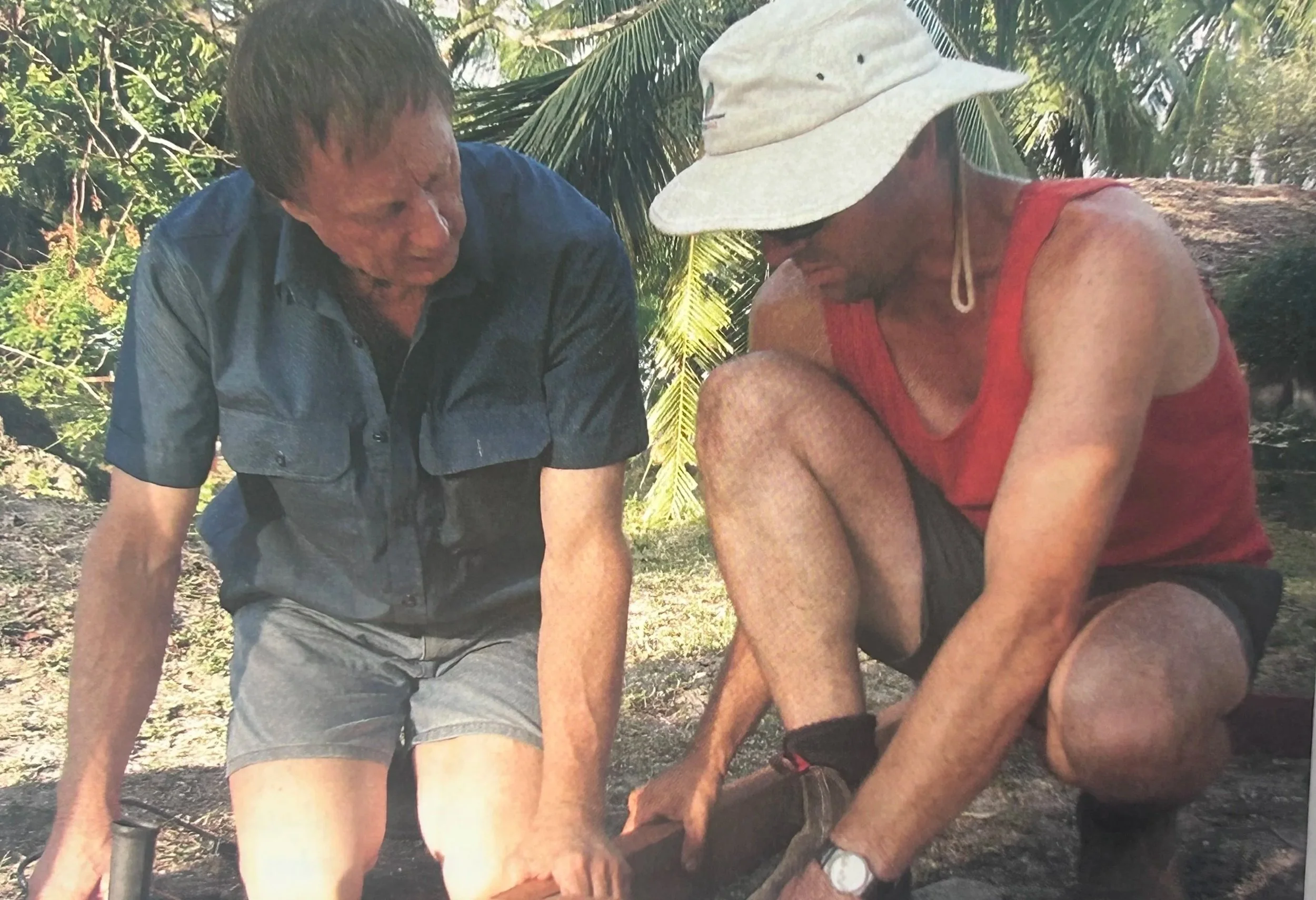
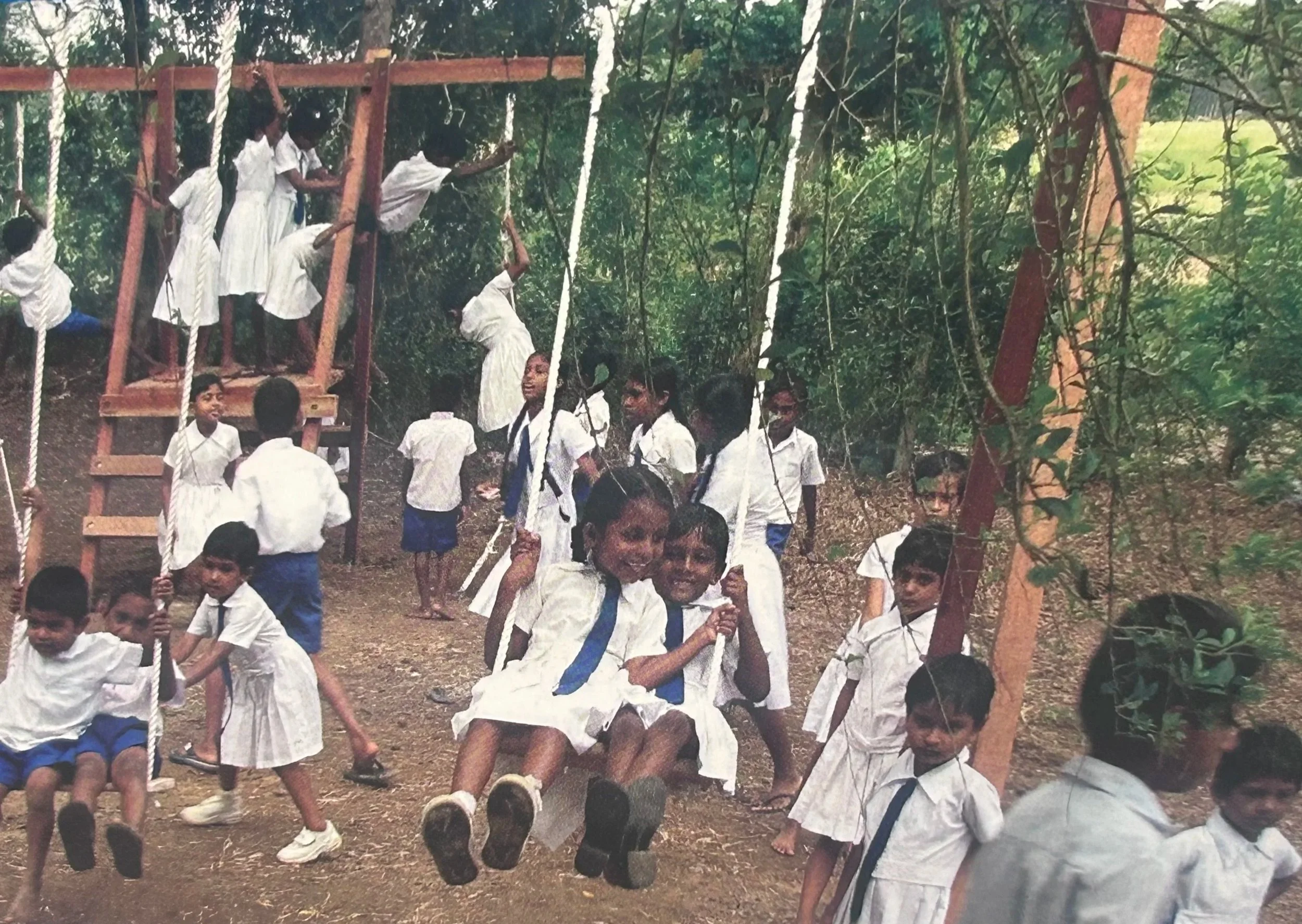
We flip through albums of photos that capture the vivid memories of this trip. David details working as a builder in small community, promoting eco-tourism options for local operators to enhance community income, and being welcomed into the school to teach environmental education to the students. Face filled with joy at the memories, he recalls teaching the kids Australian songs and rhymes to which they recited endlessly. He laughs at the memories of children singing Kookaburra sits in the old gum tree… stating “they would have gone on forever if I hadn’t of lost my voice”.
David’s own children have pursued careers and families far from the farm in Minyip. With botany in his blood through the lineage of his grandfather, he confesses to only starting on the regeneration path after the kids had grown, having the time and realisation of the importance of putting the trees back. The once 1400-acre farming operation is down to 400, with only 130-acres under crop. The rest, he says, is under covenant with Trust for Nature, “to lock up the bushland for conservation for future generations”.
He tells me his tree planting days are mostly behind him now for bad knees, and he’s thus missed a few of the Yarrilinks Plant Outs in recent years. With thousands of trees in his planting history, David and Max are both still committed and active members of the Minyip Landcare group.
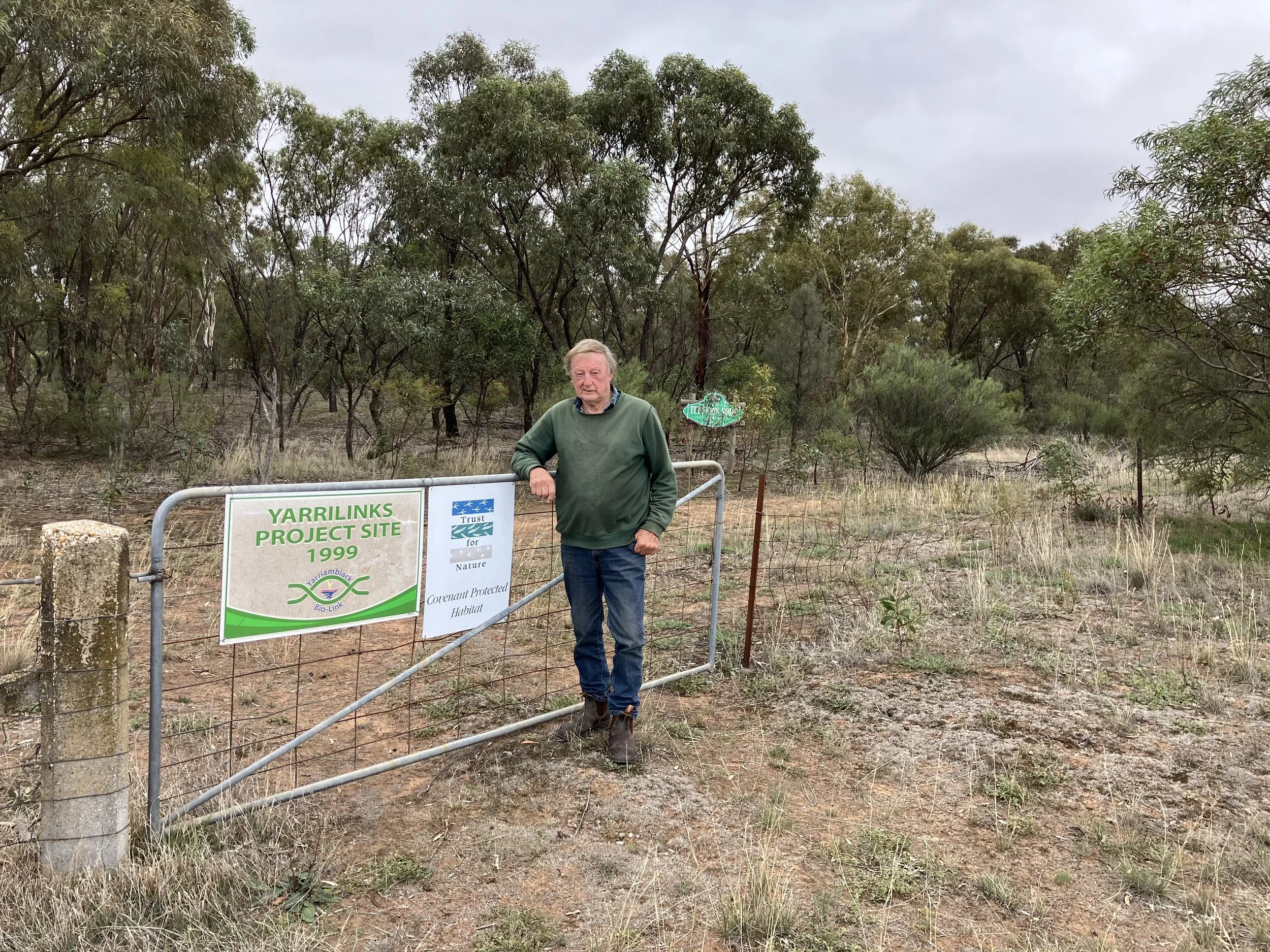
David Tepper at ‘Tepper’s Node’ in 2026, 28 years after the first Yarrilinks Plant Out project in 1998.
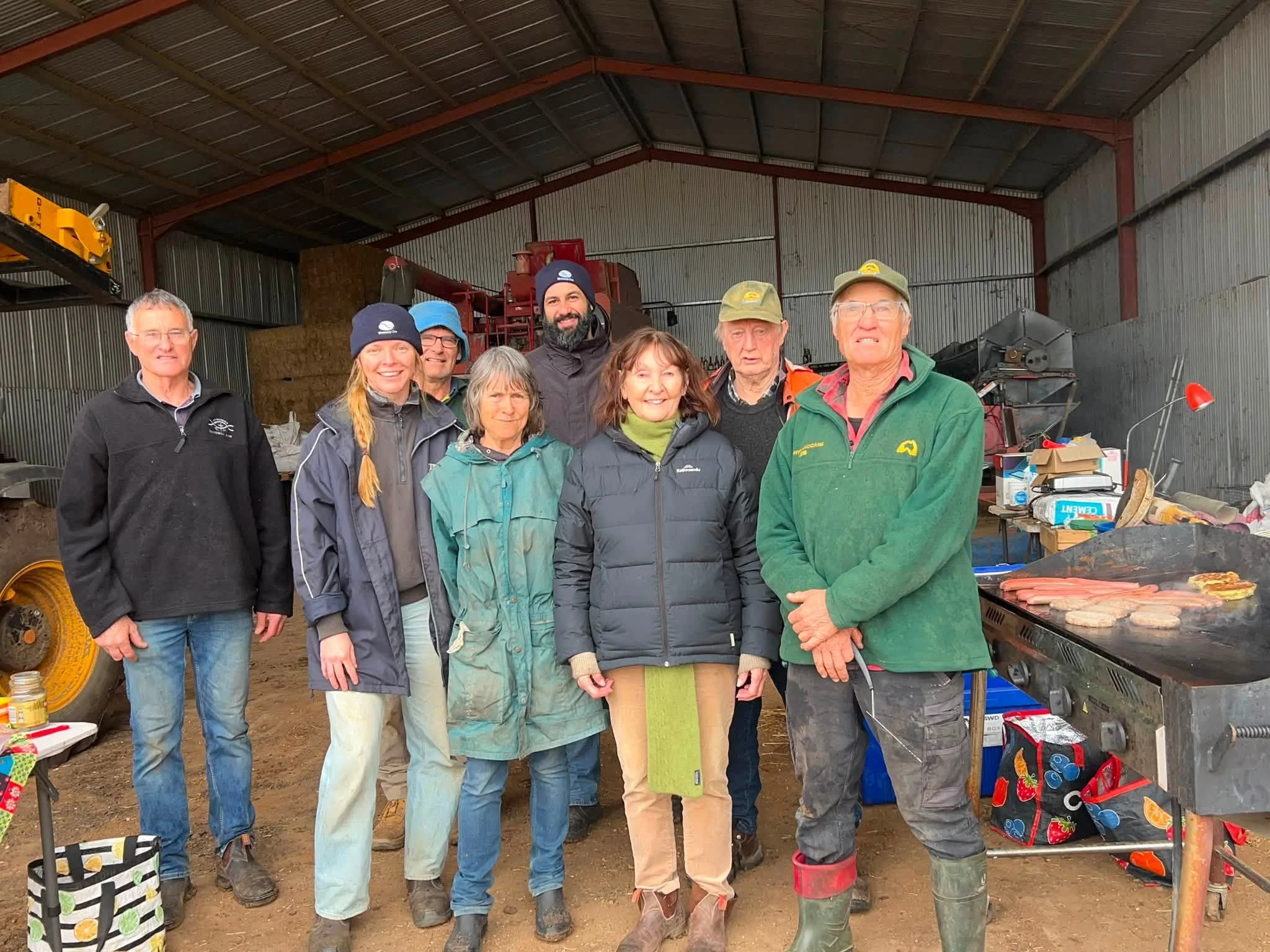
The Minyip Landcare group and friends after another small but successful day planting, August 2026. David and Maxine are still actively involved in the group.
Year in and year out, the Yarrilinks Plant Out continues; remaining the most important event on the Yarrilinks Landcare Networks calendar. Local communities no longer host participants from Melbourne and surrounds, and volunteer numbers have dwindled since the early days, reflecting rural population dispersal and an aging Landcare demographic.
Nevertheless, the passion and commitment of local Landcare members still remain foundational to building community resilience and connection, supporting environmental betterment across the region, and serving as a remedy against climate angst felt across the district for social, economic and industry, environmental, and political challenges.
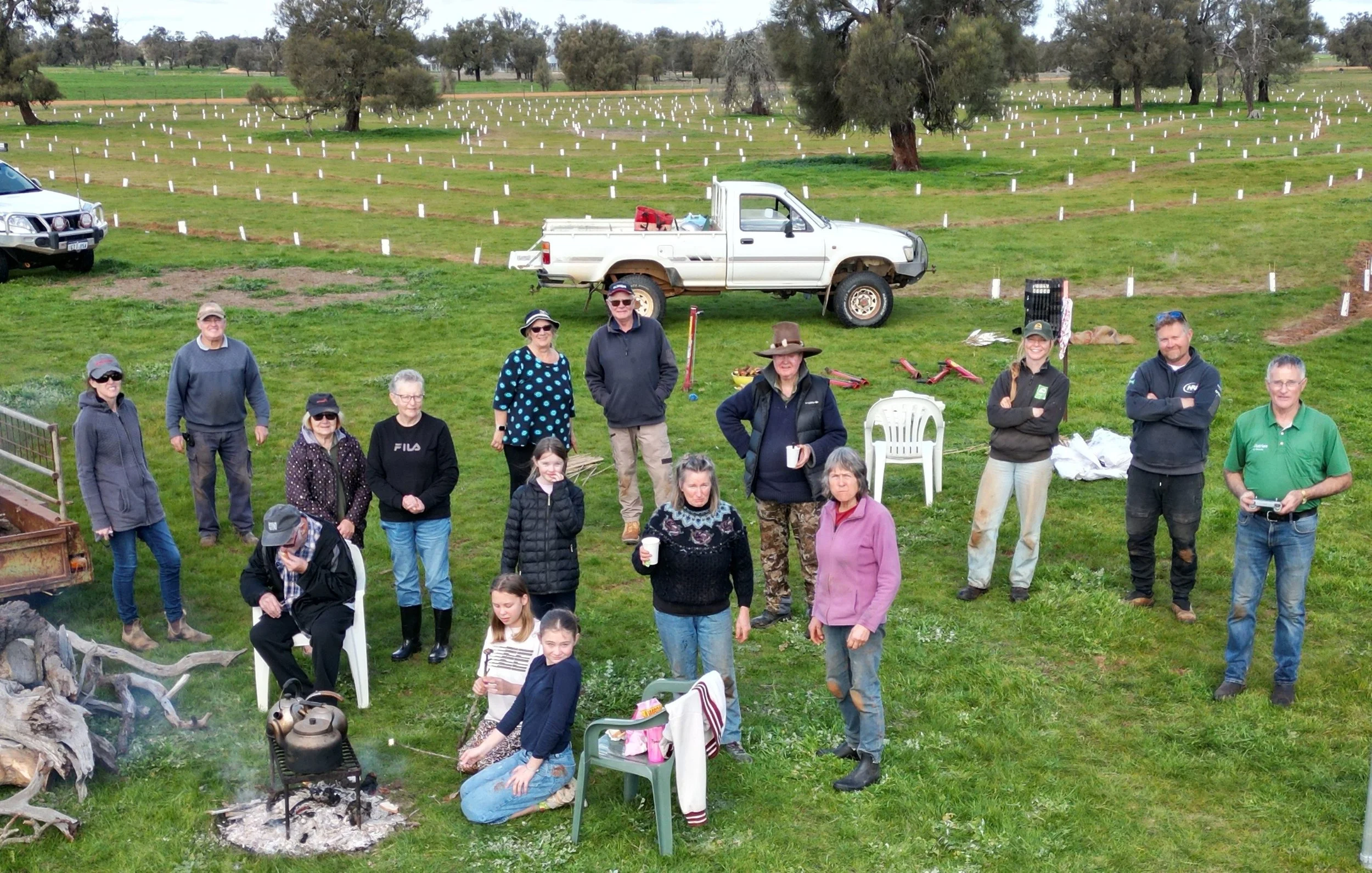
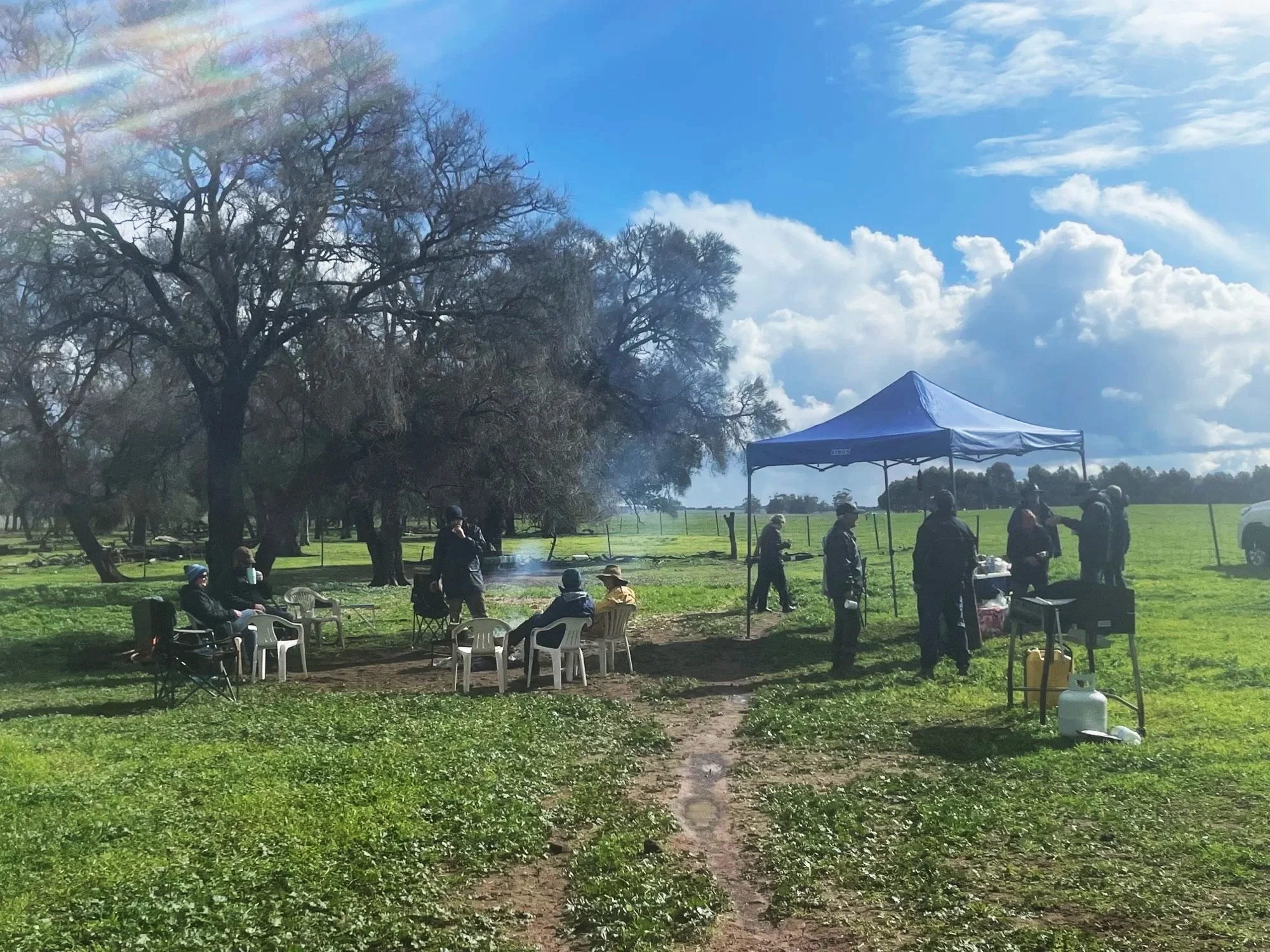
Yarrilinks Plant Out in recent years, [top to bottom]: 2026, 2025, 2024, 2021, 2019, 2005, 2004
![IMG_4984[1].jpeg](https://images.squarespace-cdn.com/content/v1/64c84dec7388967e1667dab7/1785822893102-DPP09BDYBE3KFHRH81TB/IMG_4984%5B1%5D.jpeg)
![IMG_4985[1].jpeg](https://images.squarespace-cdn.com/content/v1/64c84dec7388967e1667dab7/1785822933633-CM9RZSRSOKSVWOMK698W/IMG_4985%5B1%5D.jpeg)
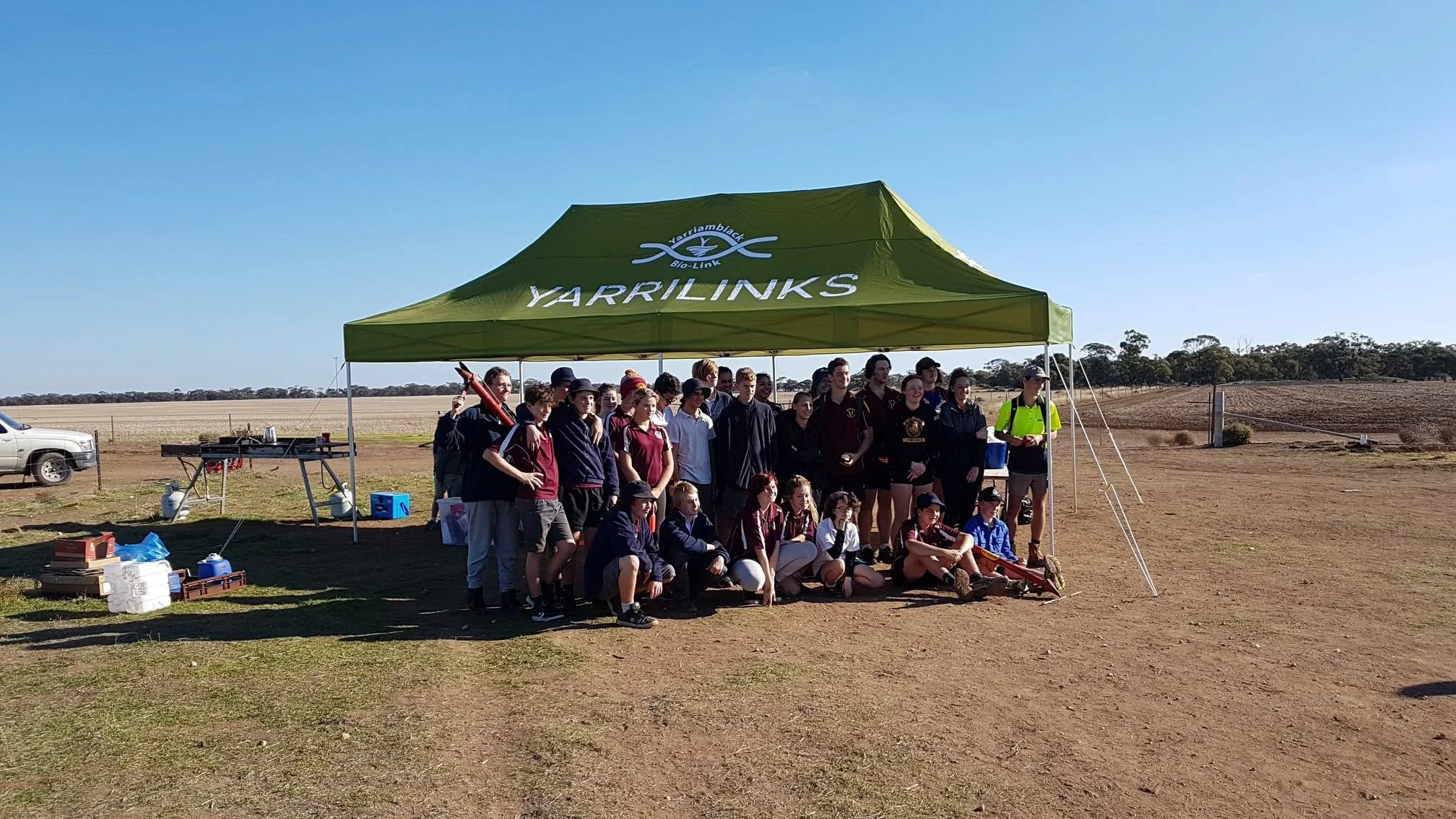
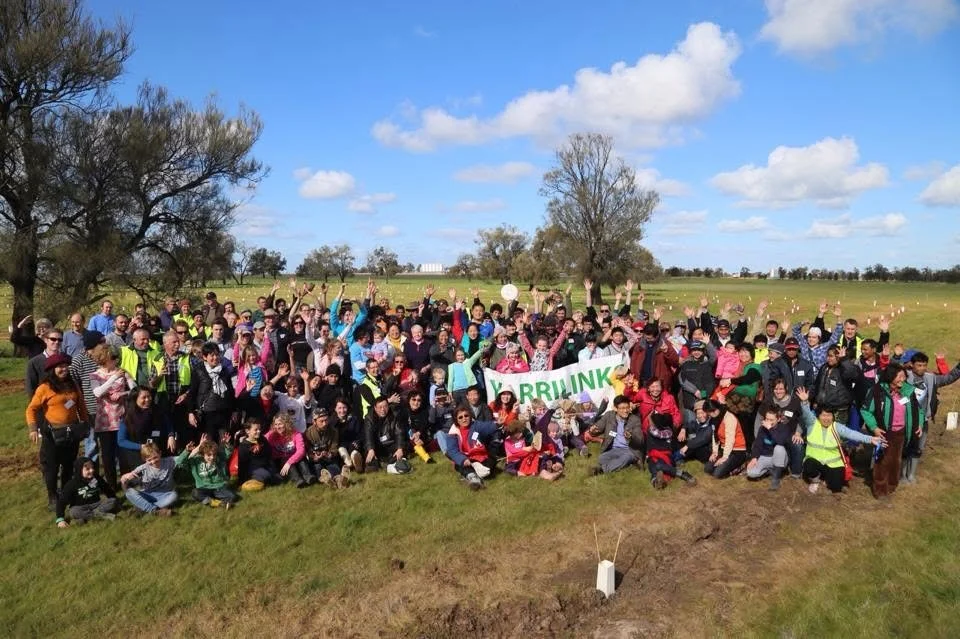
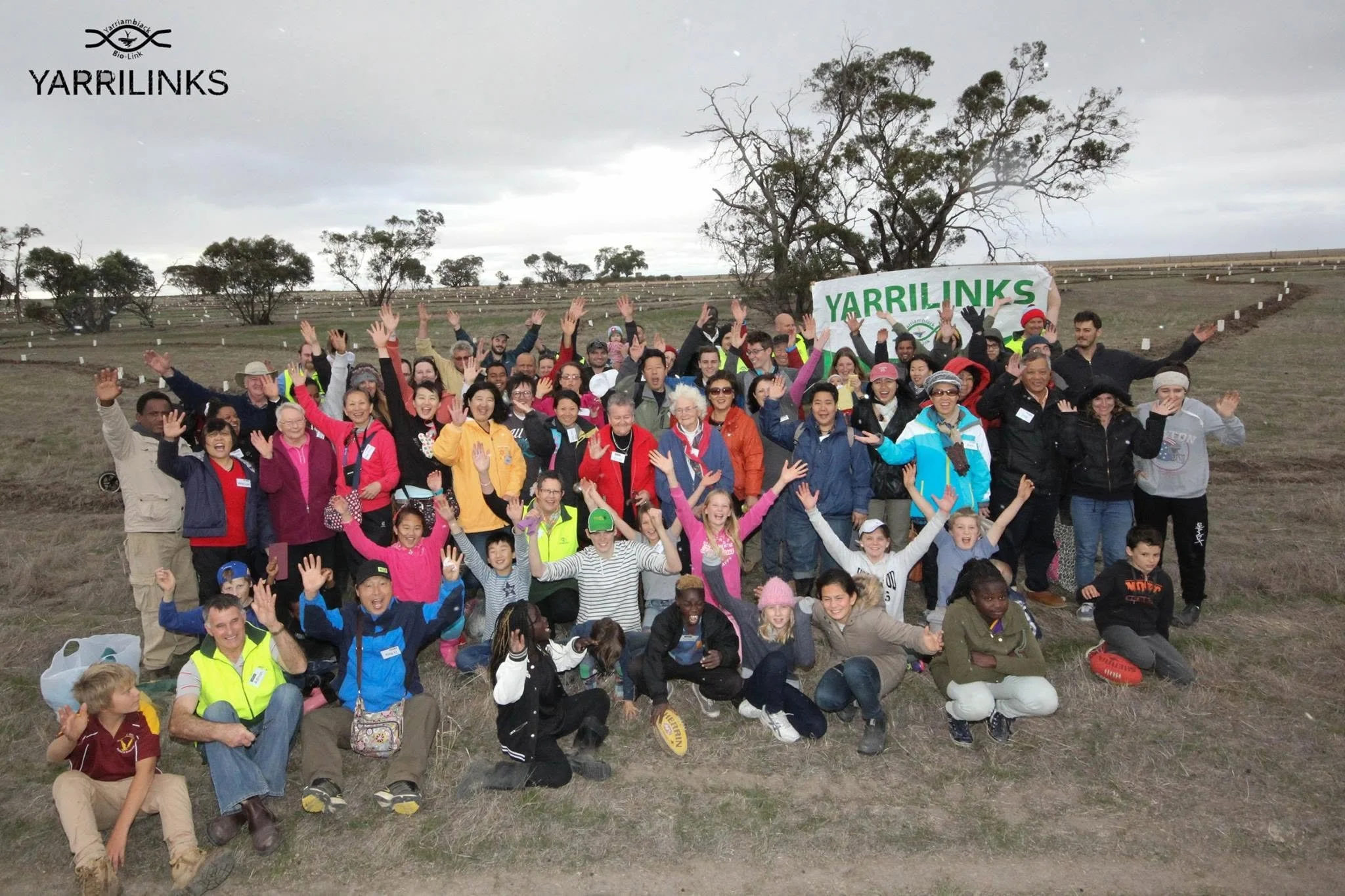
The early years of the Yarrilinks Plant Out saw 100,000 plants returned to agricultural land and roadsides in a movement critical to the health of Wimmera biodiversity. With people like David at the forefront of this movement, it welcomed 100s of volunteers and made Landcare a foundational mixing pot for multicultural connection in the name of the natural environment across the Wimmera. The planting weekends created not only significant environmental refuge for wildlife, but cultural relationships across the world, friendships lasting decades, and experiences pivotal to the health of these rural communities, people, and environment to this day.
They are big work boots to fill. And whilst bush regeneration, and revegetation and conservation is a patient person’s game, Landcare is testimony to community building for life, where the rewards, such as ‘Isalea’, the Creek to Creek Plant Out and ‘Tepper’s Node’, and the Yarrilinks Plant Out lineage are delivered in the years of service in purposeful labour, social connection for life, happy memories, and the ever-classic Landcare BBQ.
Nevertheless, we persist.
Join Landcare.