
Looking Forward, Looking Back - 40 Years of Landcare Bus Tour and Community Day.
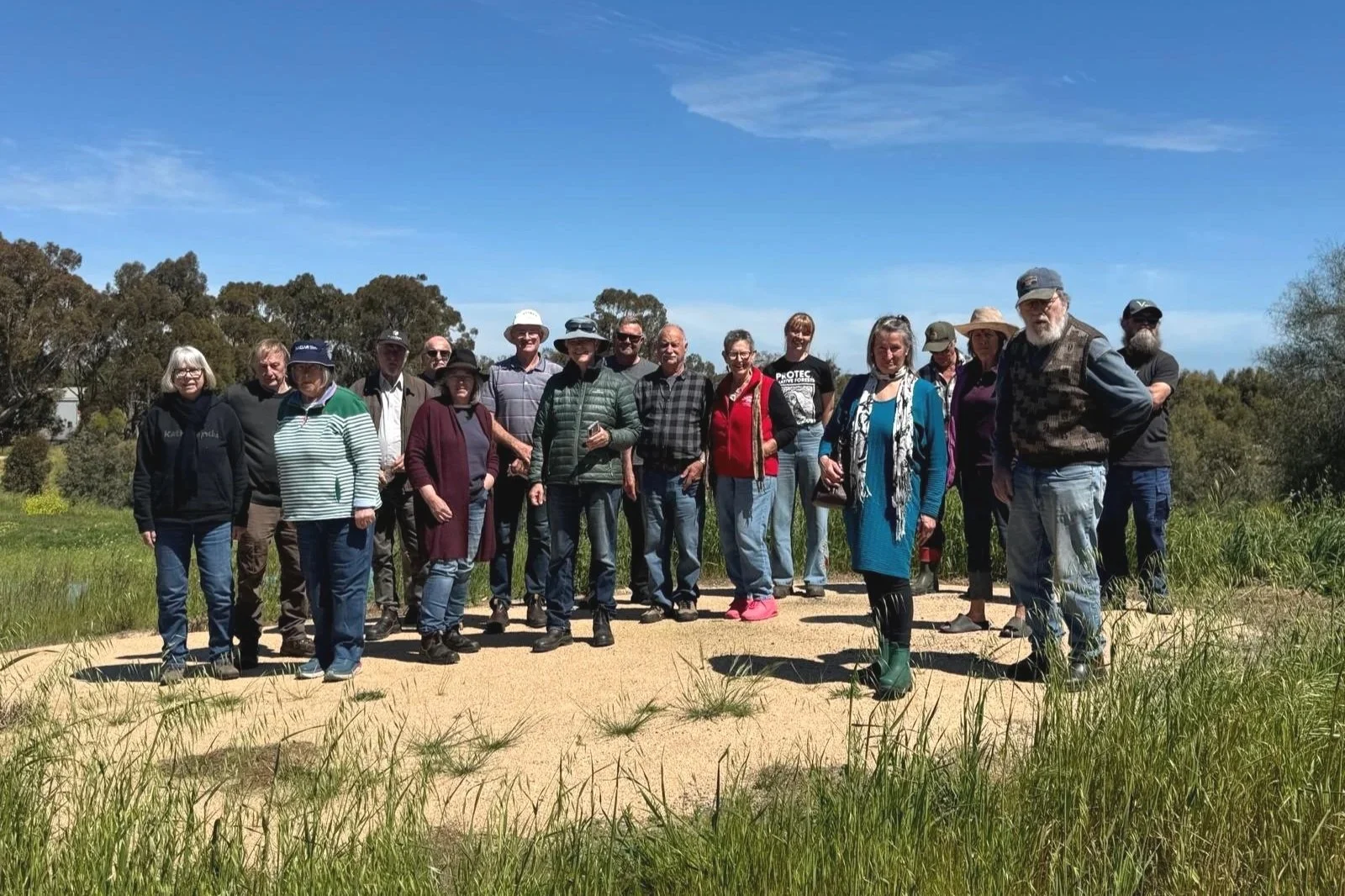
The group atop “Mt Rupanyup” at the Rupanyup Reservoir and Rupanyup VFF Landcare group project site.
On Sunday October 4th, in celebration of Landcare in Victoria reaching its 40th birthday in 2026 and to commemorate and celebrate our own 27 years, Yarrilinks Landcare Network came together for a regional bus tour and community day.
As can be predicted for Landcare events, the days prior saw up to 70mm of rain across the district of which threatened to hinder, if not reroute, the back-roads journey to planting sites from across the decades. Thankfully, the clouds dissipated for a welcome sunny 19 degrees, so our course was promptly altered to accommodate a journey over sealed roads only, and 18 eager participants joined the soiree at the Boolite Hall. Over a cuppa and morning tea, guests were welcomed to the celebration by Yarrilinks Chairperson Unmani, whilst facilitator Alicia detailed the role of Landcare Victoria in supporting groups and networks to this poignant anniversary. Words from WCMA Regional Landcare coordinator, Joel, were also shared in recognition of the people and efforts that have shaped Yarrilinks Landcare since our humble beginnings in 1999.
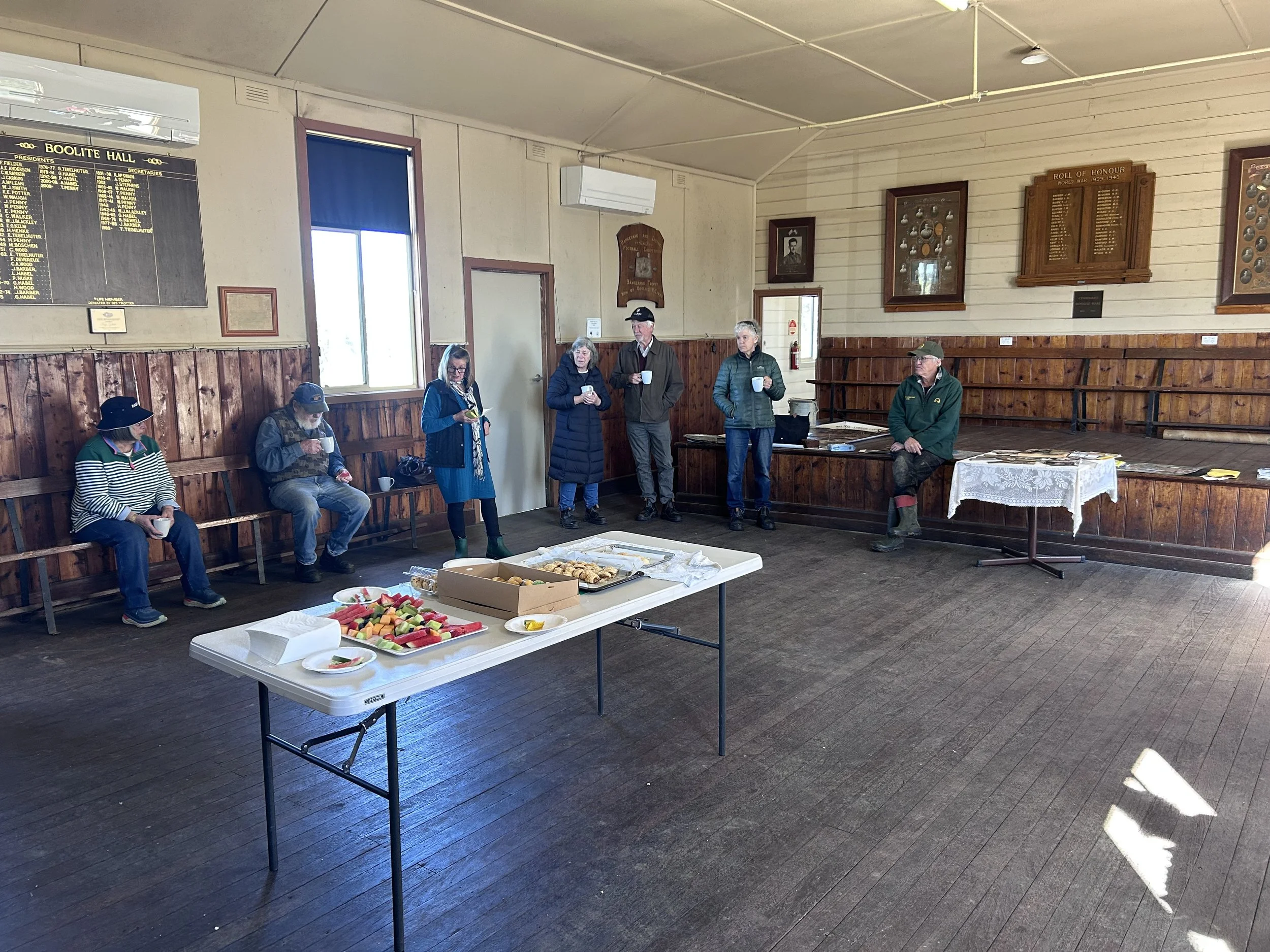
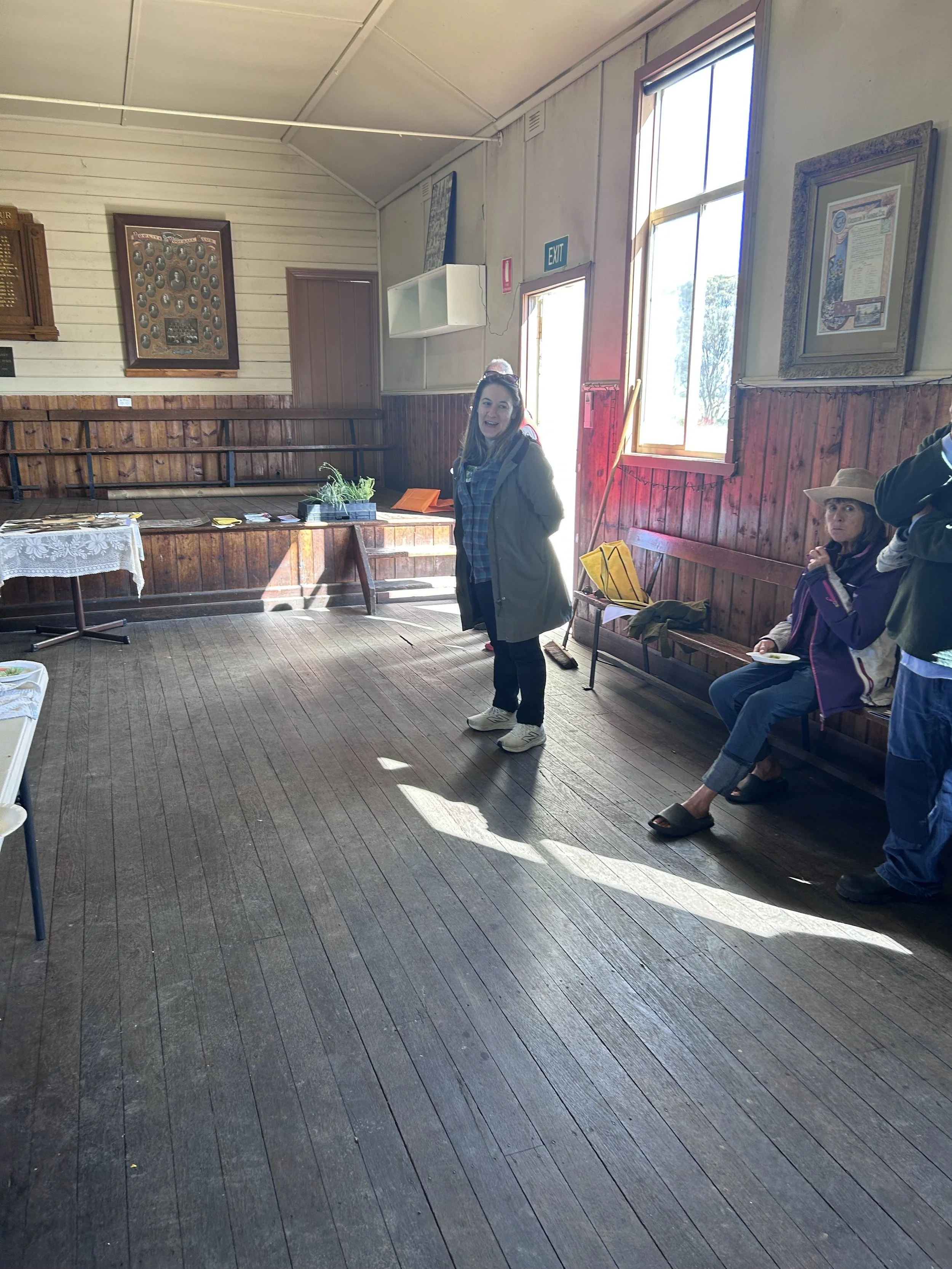
“This is just a quick message to acknowledge, on behalf of Wimmera CMA, the incredible contribution Yarrilinks people have made, not only to Landcare in our region, but to the wider Landcare story in Victoria. The Landcare story has reached all kinds of places and pretty much touched every corner of the state over the past 40 years and among all that rich mix of people and places and achievements, the Yarrilinks chapter is unique and wonderful and shines incredibly bright as a source of energy and inspiration and connection.
Yarrilinks has brought so many people together in the most practical sense at the types of spots you’re visiting today. But also, on another level, it has become part of the lifeblood of Landcare more broadly, helping draw new people and support into Landcare in all kinds of far off places as word spread about special stuff that’s happened here.
The form may have changed since the days of the big Yarrilinks planting weekends and busloads from Melbourne, but it’s inspiring to see the legacy continue to grow in new ways, with great Yarrilinks people navigating increasingly complex and tangled challenges where the local community is benefited by a Landcare capability.
Enjoy a wonderful time together and thanks for being part of one of the great chapters in Victoria’s Landcare story.”
- Joel Boyd, Regional Landcare Coordinator Wimmera CMA
On the bus, seatbelts fastened, the tour began! We ventured only a little way before tour guide DJ began detailing the plantings, grasslands, and significant sites around Minyip and Boolite that had been planted and dutifully cared for by members of Yarrilinks and the Minyip Landcare group.
With an age range amongst participants typical of the Landcare demographic, it was with surprising willingness and sprightliness that people ambled through barbed wire fences in appreciation of the growth of plantings from 2005 along the Lawler road, as directed by our guide. Left to wander in memories, amongst growth as high as those standing amongst the revegetated space, the group had to be whistled back onto the bus lest we fall behind schedule and the tour continued.
Heading North, our second site was the 2003 Yarrilinks Plant Out at Calvin Muller’s property. Now aged in his 90’s, Calvin welcomed the bus for a journey down memory lane. Participants recalled fondly, the day’s planting biolinks across Muller’s acres of which are now established with trees and shrubs, and native grasses and flowers are in abundance. Calvin detailed years of farming that saw the land barren of vegetation, as he took on the mantle of restoring the bush for soil health, farm health and community health in what has become a lifelong study of food systems and soil microbiology. Not done yet, Calvin’s mission is now focused towards students and he spends his time encouraging students into fields of soil science and study through the Soil Week - Healthy Soils Competition.
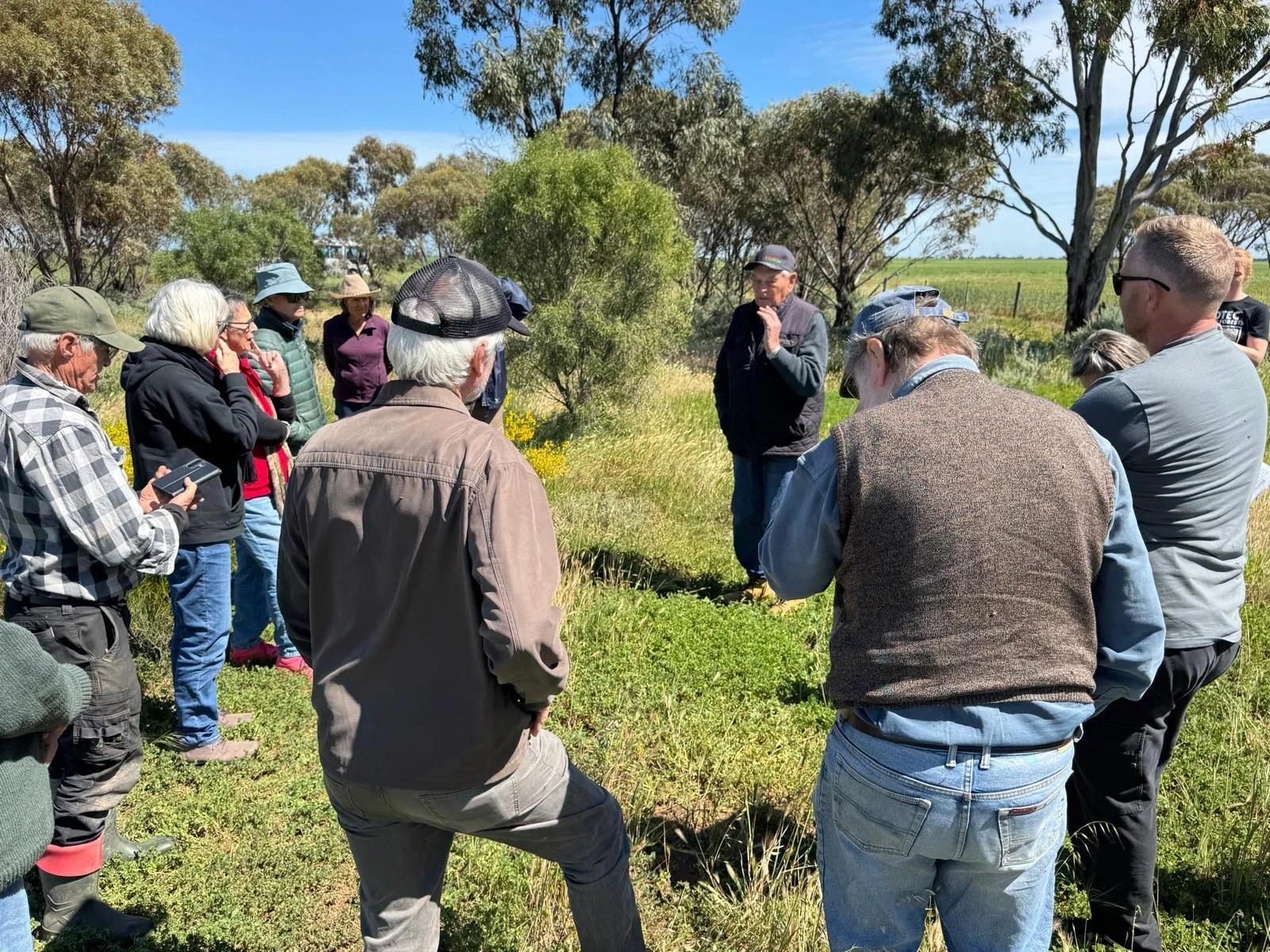
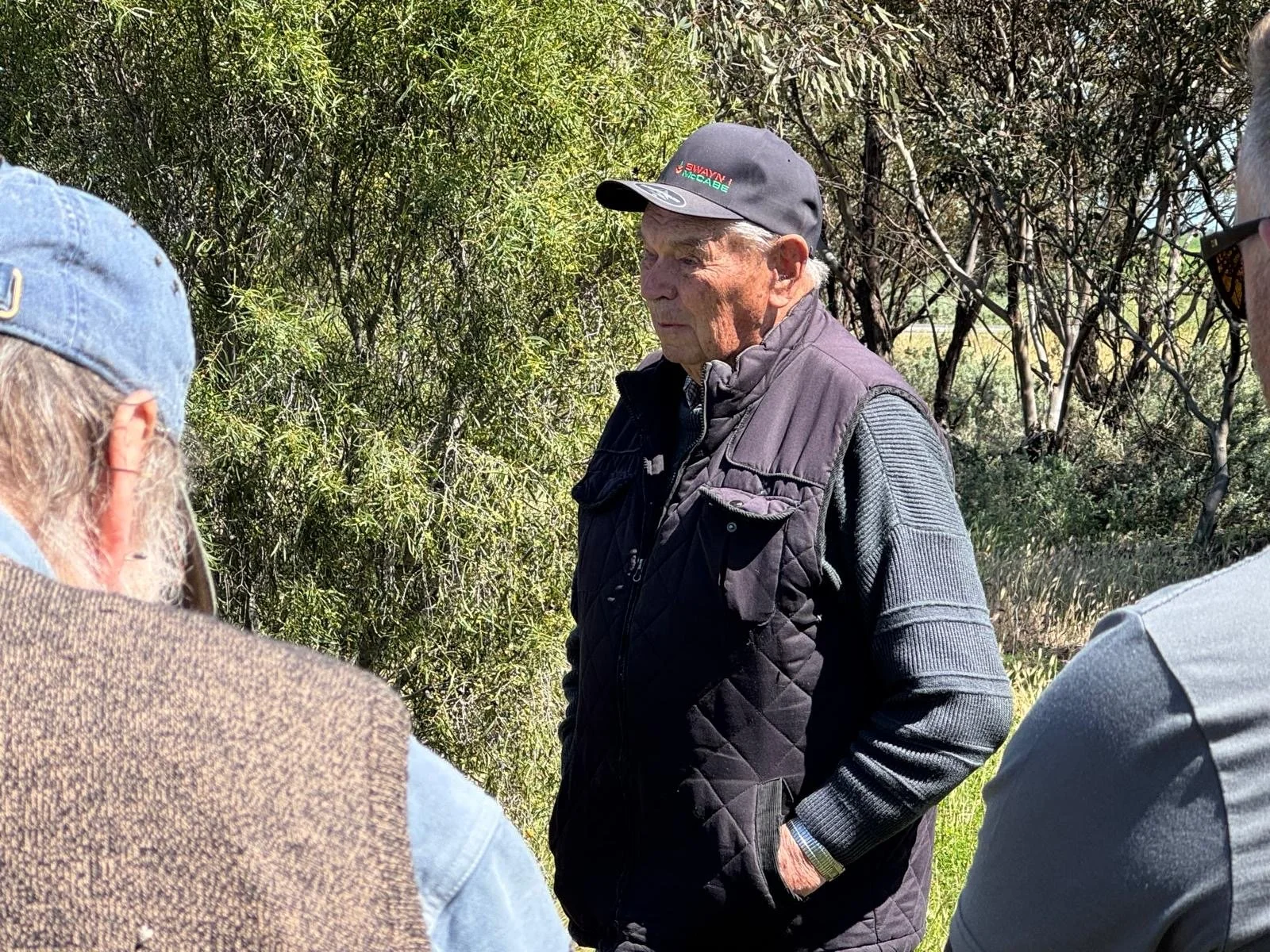
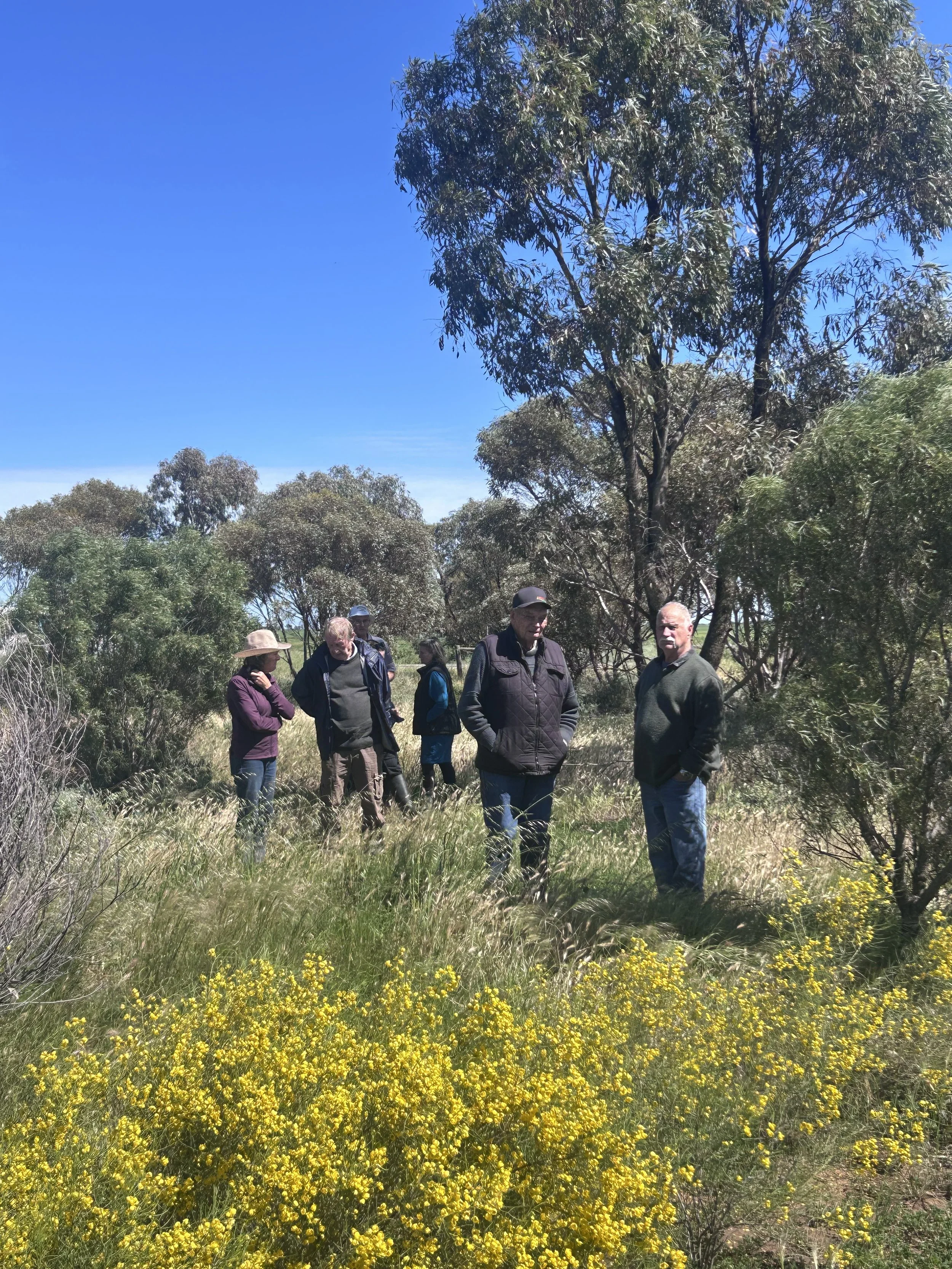
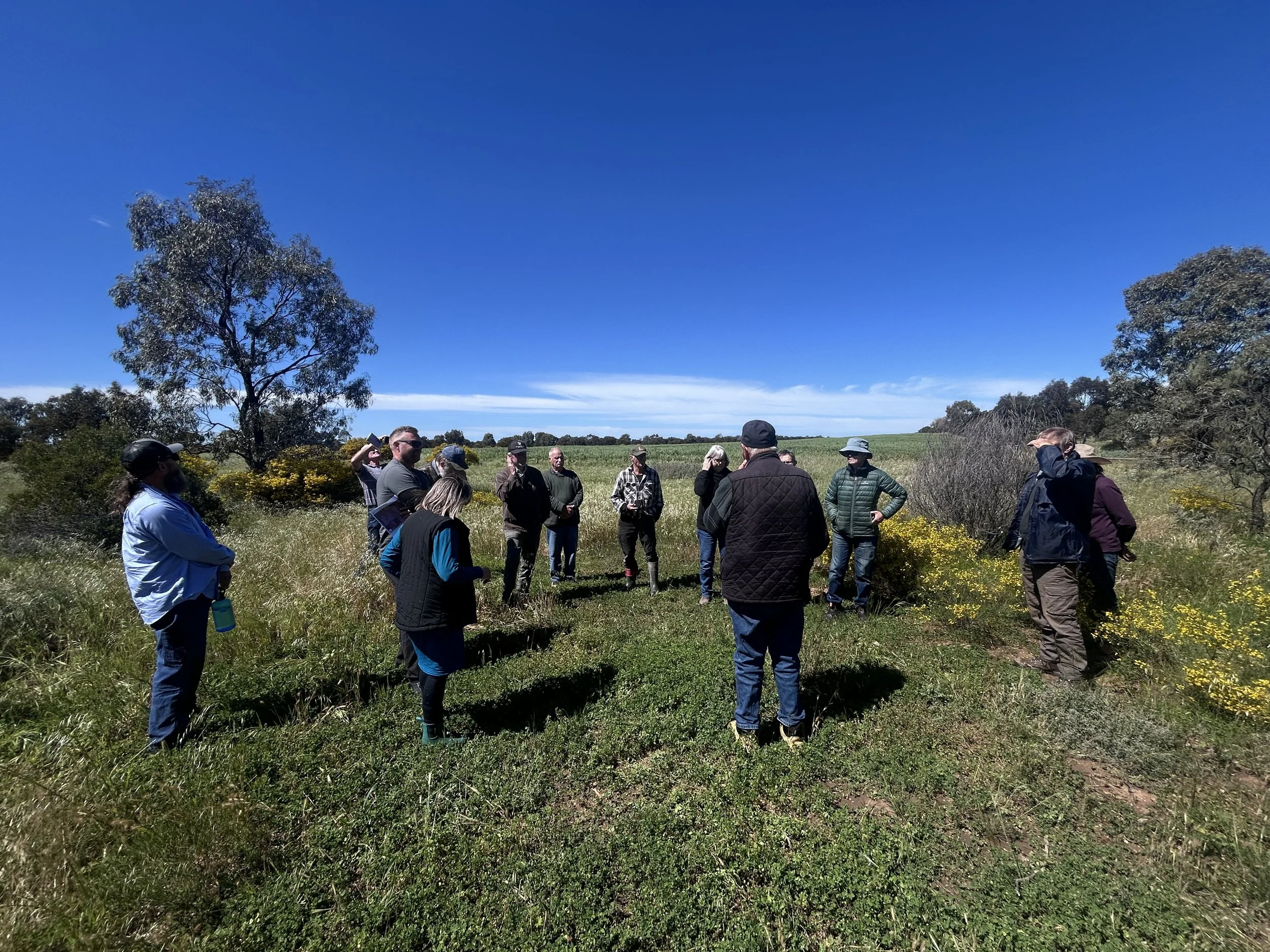
As the bus headed South and the tour group enjoyed competitive rounds of Bus-Bingo, Adrian took on the role of tour guide to detail sites that the Rupanyup VFF Landcare group had championed. Notably “Chappy’s” site, which would have been included as a stop on the trip if not for the 50mm of rain that had fallen in the paddock and denied us access. From the window of the bus, the site boasted a strong plantation of box trees and understory. We sided a lucky brown-snake as it made its way across the road, to the bewilderment of the bus driver as his passengers collectively yelled “LOOK OUT FOR THE SNAKE!” and landed safely in Rupanyup at the Memorial Park for lunch. By this point the bus was a solid hour behind schedule and the stories showed no sign of slowing.
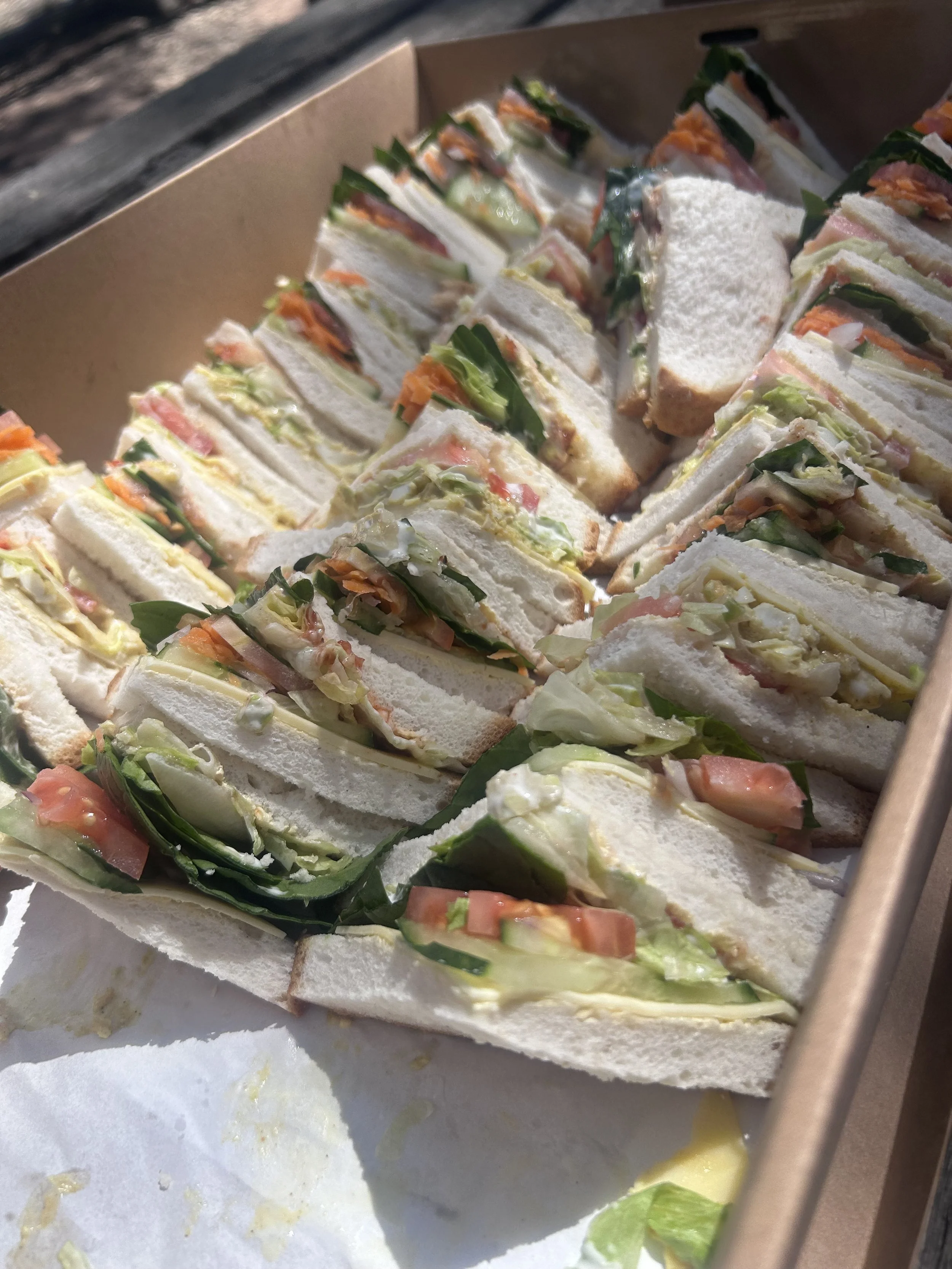
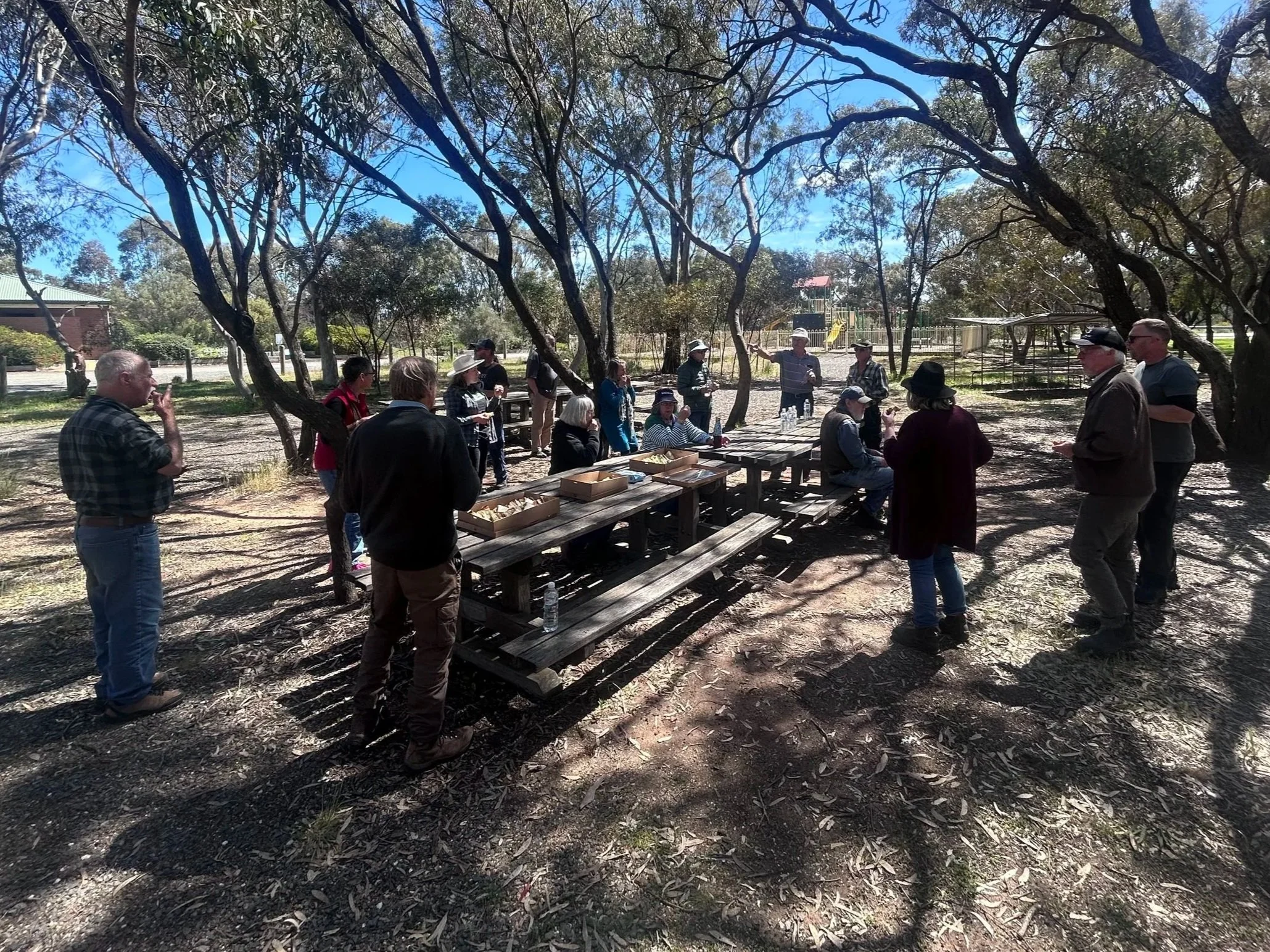
One of the humorous complications of inviting all of your Landcare members on a field trip is that no one is available to cook the quintessential Landcare BBQ. The group made-delicious-do with sandwiches catered by The Farmhouse Cafe and over lunch species lists, Landcare longevity and the future of our Landcare groups was discussed with fervent interest.
Appetites satiated, the tour progressed as Ade proudly showed off his tireless efforts at the Rup-Res, where from 2020 the former town reservoir has been transformed into a lush bushland. The group enjoyed the view from top of Mt Rupanyup [unofficial title] to the call of numerous frogs and birds who now call the res’ home.
Whilst trying to scratch back lost minutes and get back on schedule, participants were again ushered on to the bus for more country touring. We journeyed West to glance the 2014 and 2011 Yarrilinks Plant Out site’s, where participants again regaled the bus with stories of contributions. The Plant Out sites were made possible by Landcare volunteers and contributions of funding and project coordination by Greening Australia and the Wimmera Catchment Management Authority, as Yarrilinks matriarch Rae Talbot detailed over the journey.
One of the most significant sites in Yarrilinks history is what is affectionately referred to as Tepper’s Node on the Pimpino-Banyena Rd, South of Minyip. In 1999, it became the first site of the Yarrilinks Plant Out’s and marks the beginning of a long history of environmental restoration across the Wimmera and a life altering moment in time for those involved, many of whom joined the bus tour.
As the bus ambled down the road to the site, tour guide DJ once again delighted in stories of once barren farmland devoid of native vegetation for farming gains of which now were prominent with indigenous trees and understory, thanks to weekends planting in the rain and cold, and memories of those who joined the planting days with Landcare. The white necked herons flew from pools of water on the roadside as the bus meandered, and we arrived at David Tepper’s 7-acre slice of Yarrilinks paradise, joined onsite by his wife Maxine and daughter Georgie.
Softly spoken, David detailed the day planting in 1999 and how Tepper’s Node came to have its sign, with thanks to Landcare friends now passed. The stories of Plant Out memories flowed amongst the gathered group, with each person present in 1999 and onwards recounting the days of hosting refugee families that came by busload from Melbourne to participate. There came stories of those fleeing the worst of wars and human suffering, that found comfort in the gracious hospitality of country people and local hosts, whilst enjoying the experience of planting trees, touching soil, and having the safety of community under big Wimmera skies.
Rae graciously acknowledged the First Nations custodians of Country and spoke passionately about the connection to country that the Landcare days had bestowed on everyone involved, stating that they were “many of the best days of her life”. She noted the enormous roles of both Beryl Cross and Jackie George in bringing the Yarrilinks projects to life and how “joining the Yarrilinks committee in 1998 shaped the next 30 years of [her] life”, with words that stood as a moving reminder as to the strength of the Landcare community in giving purpose to those involved.
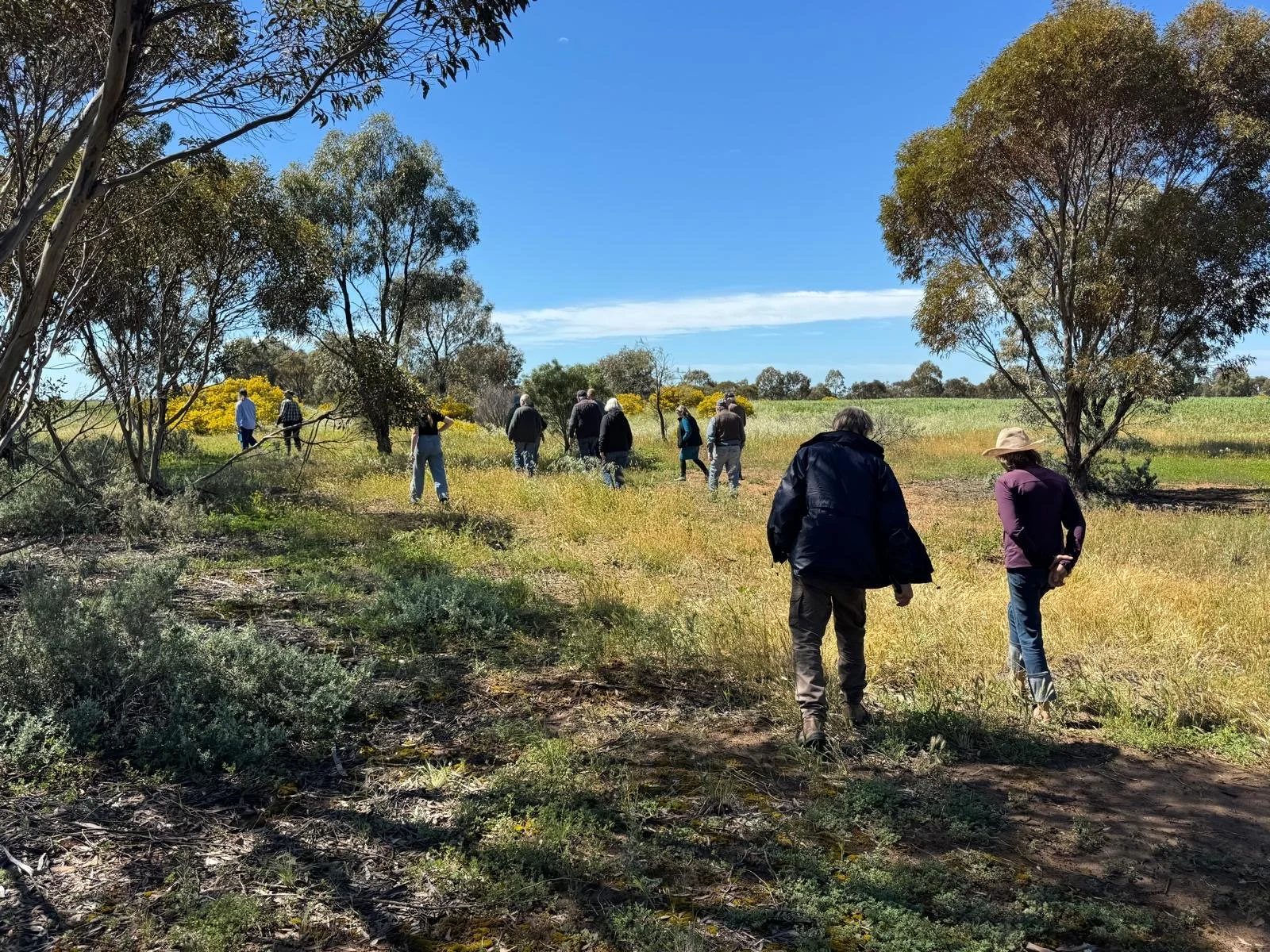
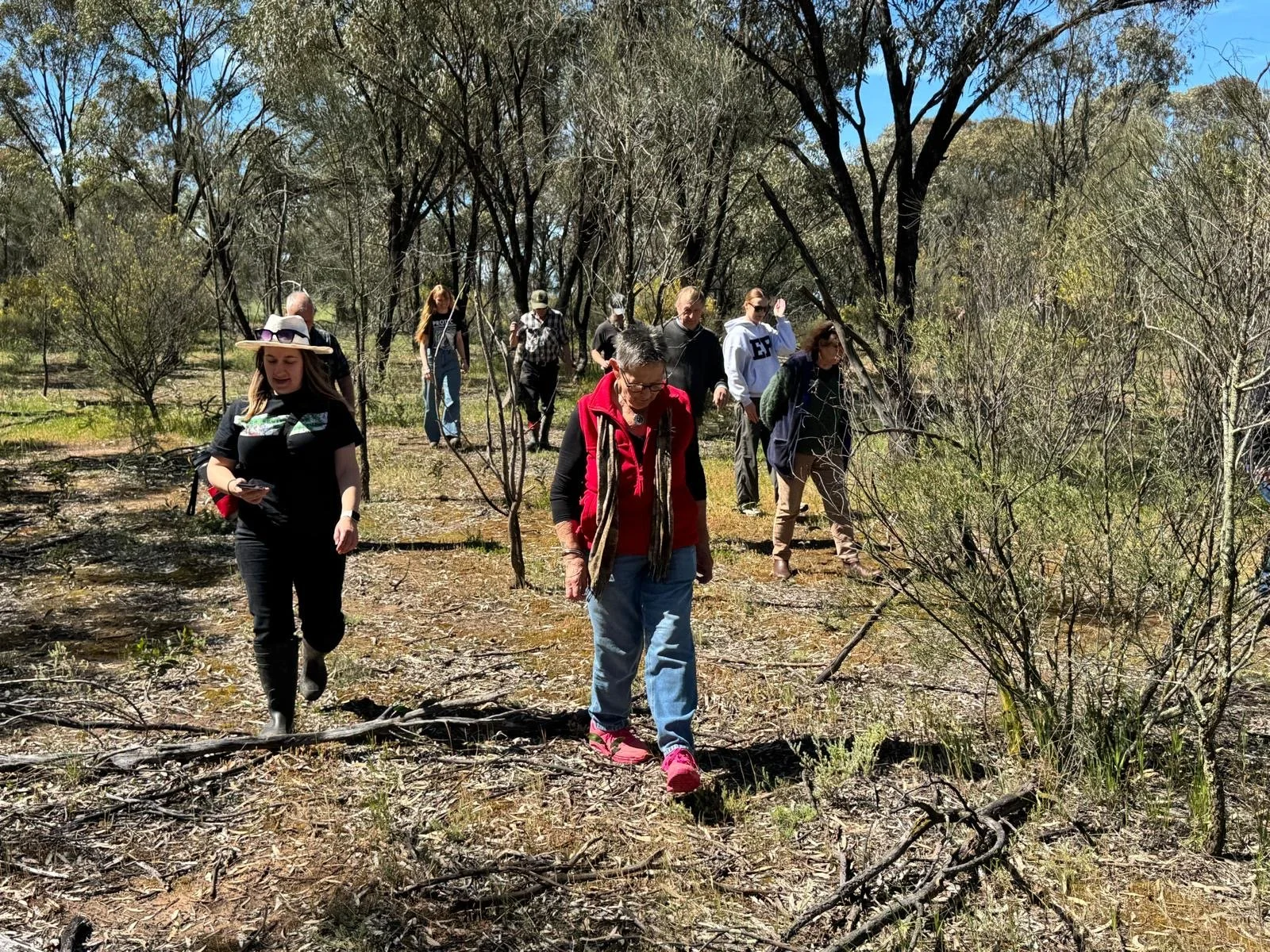
The group wandered through the revegetation site. The bushland growth was enheartening against photographs of the barren farmland prior to planting, while, as testimony to the pace of nature, faint traces of the rip-lines still remain as the country continues to heal.
It was here that Tim also declared “Bingo!” as the winner of the game, though how he managed to site the Minyip Roundabout with the bus yet to travel through Minyip had us perplexed …
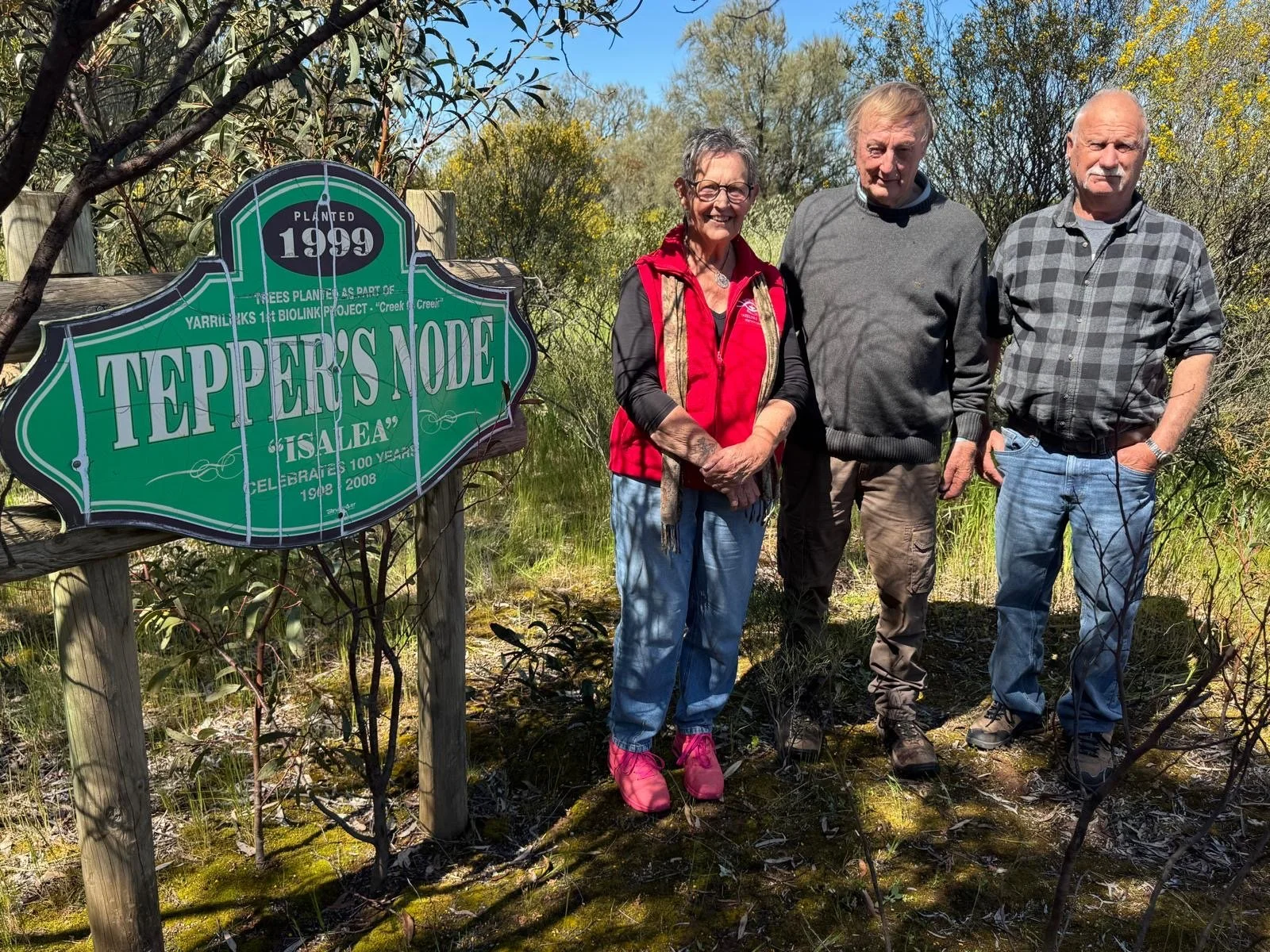
Back to the beginning - Rae, David, and John standing before the Tepper’s Node sign amongst three decades of regrowth, 27 years after the first Yarrilinks Plant Out in 1999.
Noting that we had not made-up any time on the now very late schedule, the next proposed stops were [almost] put to a vote between continuing on or making for base, before it was interrupted unanimously to abandon the schedule and continue on our journey. Schedule thrown out the window, we made haste through Minyip where Tim won Bingo again, and towards Sheep Hill’s via the Warracknabeal Rd and the 2000 Yarrilinks Plant Out site at John Hotkers.
In relation to proximity to the Yarriambiack creek and relevant wetlands and swamps on the Sheep-Hills Minyip Rd, the Yarrilinks plantings in this area were considered significant for water refugia and wildlife. Again the bus was enthralled with stories and memories from the same band of leadership and countless volunteers who turned their energy into planting valuable revegetation despite years of the Millennium Drought. A quiet reference was acknowledged to the cultural significance of the sites as the Silo Art adorned the horizon.
The final leg of the journey stopped on the Boolite Rd, where tour guide DJ once again detailed the years planting, stopping at a prominent bio-link on Peter Habels property. The impressive length of native vegetation in the middle of prime farmland was explained simply by DJ in saying “Peter is a friend of mine, and every friend of mine has to plant trees”. In the spirit of Landcare, we waded into the long grass to uncover the 2007 Yarrilinks Plant Out sign on the fence and fortunately no snakes.
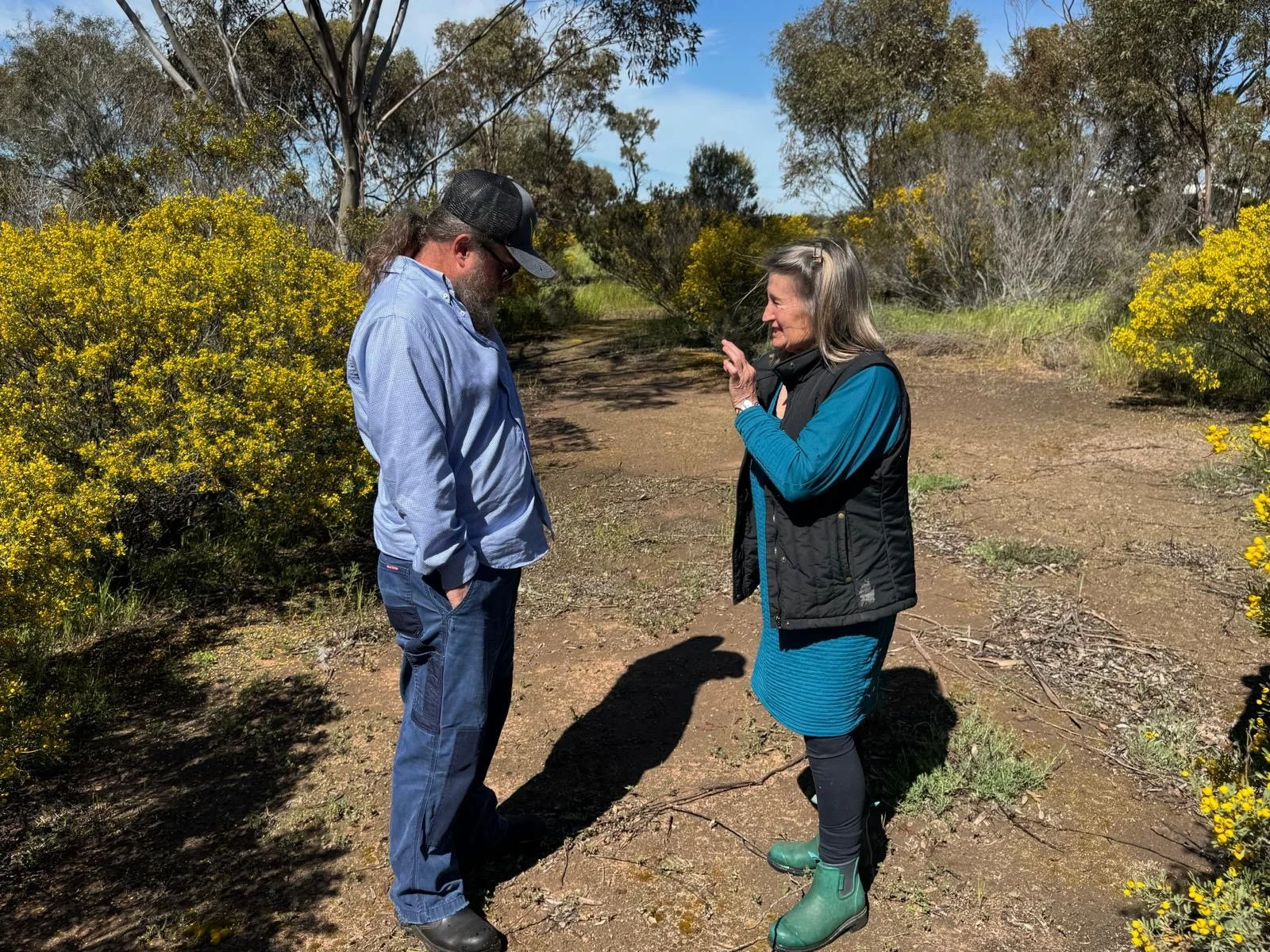
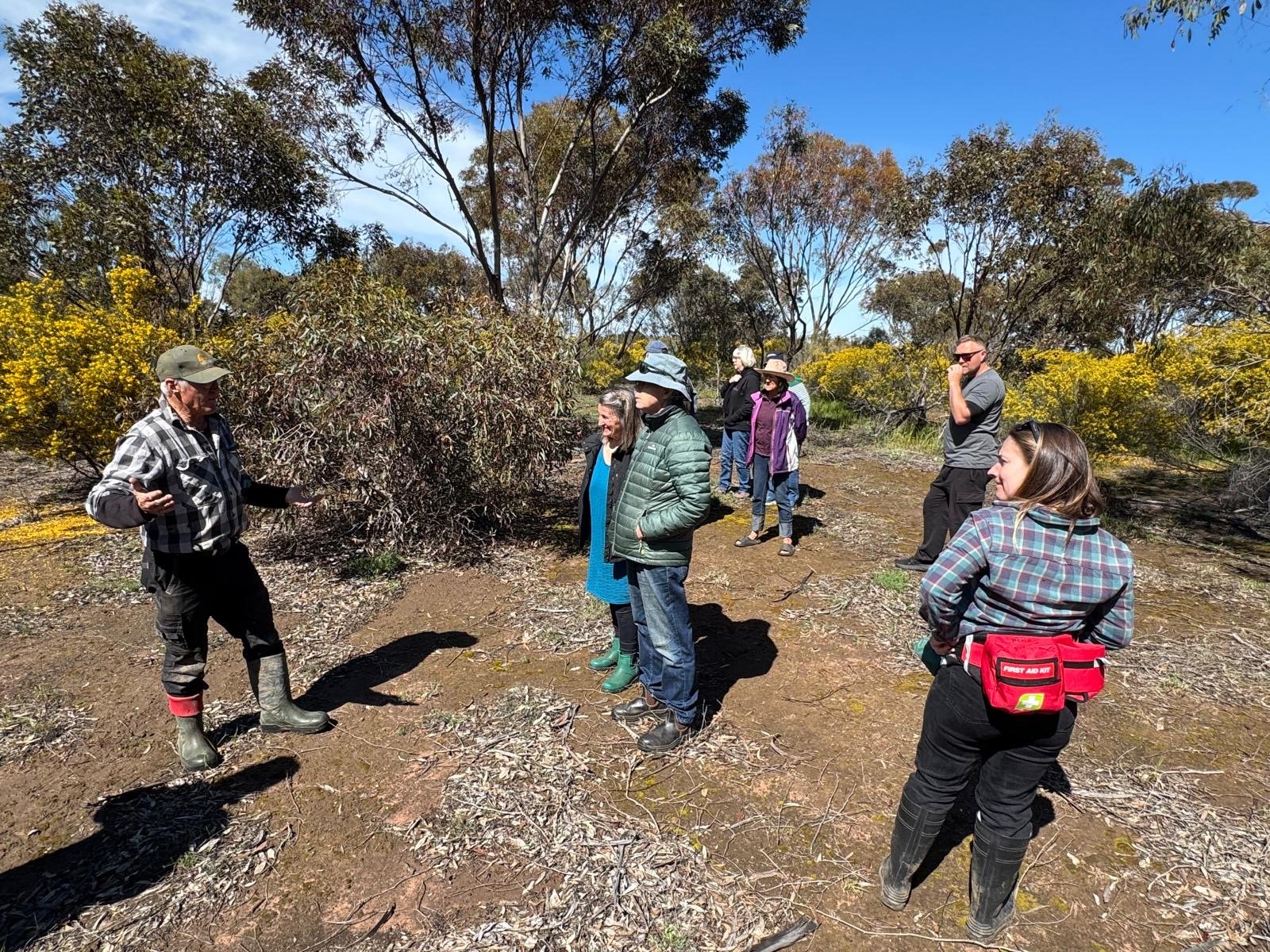
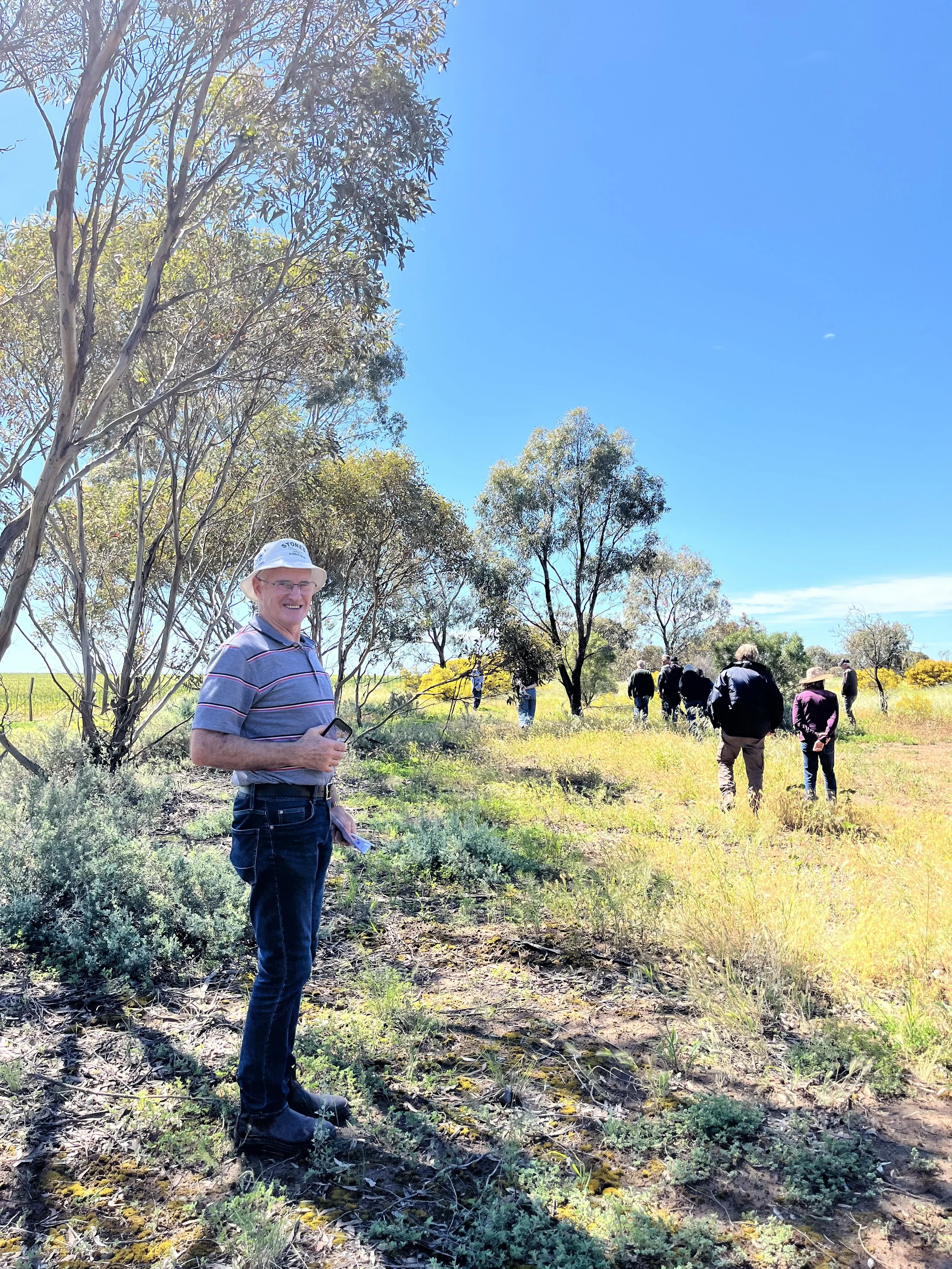
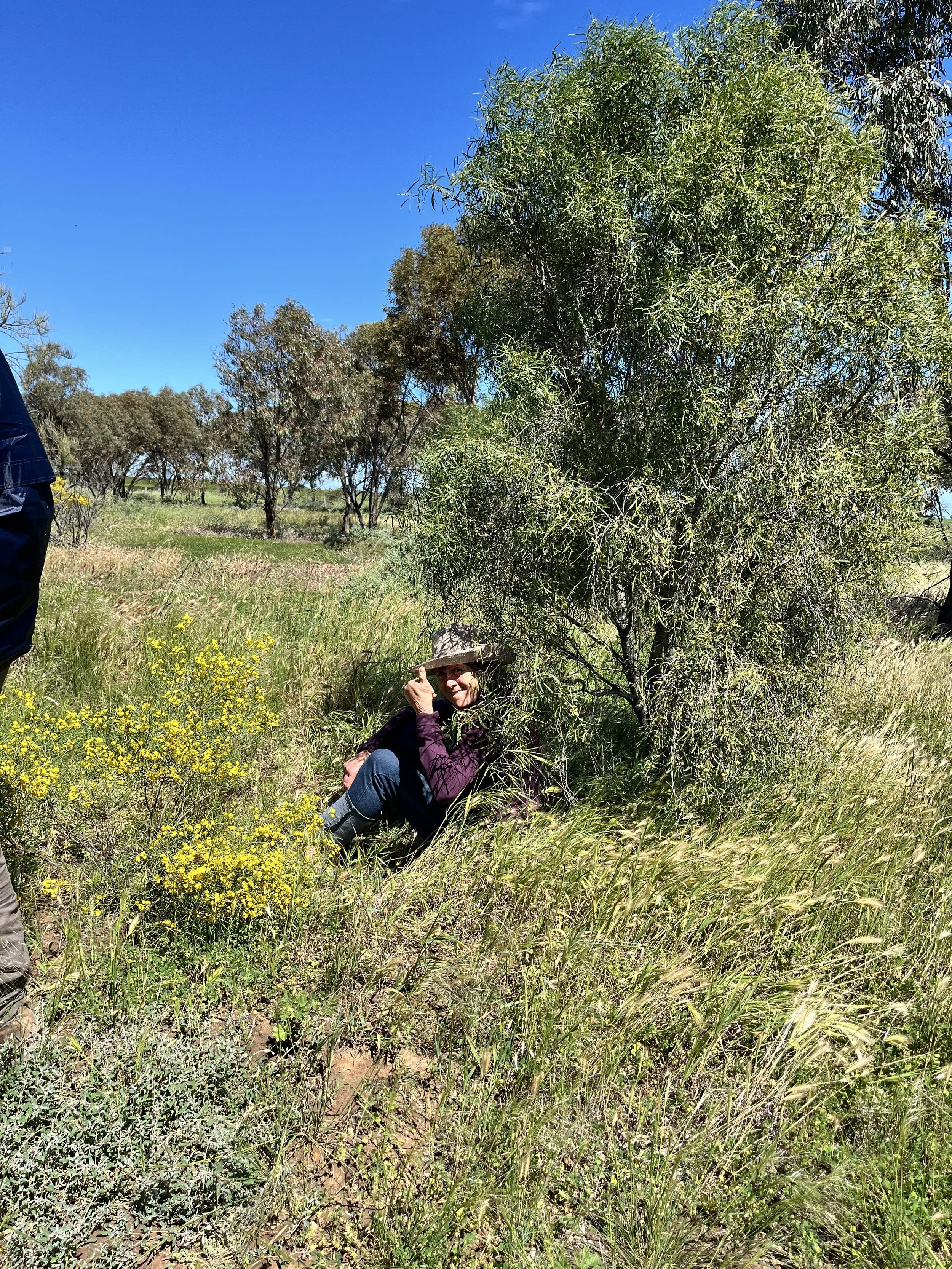
The bus rolled into the Boolite Hall block by 3:30pm where afternoon tea was promptly arranged and the last hot cuppas of the trip were enjoyed. With participants parting with plants, leftovers and thanks, the day had been an absolute success in bringing those responsible for establishing Yarrilinks Landcare and carrying environmental restoration across both private and publicly held land for 27 years back to the sites and country that they committed so much energy to rebuilding.
There’s a lot of talk about securing the future of Landcare through capturing youth in membership and projects. But the Looking Forward Looking Back tour highlighted that importance of recognising those who pioneered the movement from the beginning, whilst acknowledging the huge strength of small groups to effect change at local, national, and international levels. Landcare is such a movement of grassroots action having the capacity and community to change the world, as seen not only in the established Plant-Outs of the Yarrilinks Wimmera, but in Calvin Muller’s school soils competition, in the memories of local people who hosted refugees for weekends; changing the lives of everyone involved, and the strength of small community, led by big hearts and hard work for common goals and environmental outcomes. We learned quickly to abandon the schedule to allow time for the stories to arise, and that discussions are best held in quiet wanderings through the bush, whilst the trees themselves hold memories and prompt us to remember fondly these days where community was built for environmental betterment.
Here’s to the past, the present, and all that the future 40 years of environmental stewardship holds for Yarrilinks Landcare.
This event is supported by a Look Over the Farm Gate grant provided by Agriculture Victoria under the Victorian Government’s Drought Support Package.