
Exploring Terrappee grasslands for the Eltham Cooper butterfly
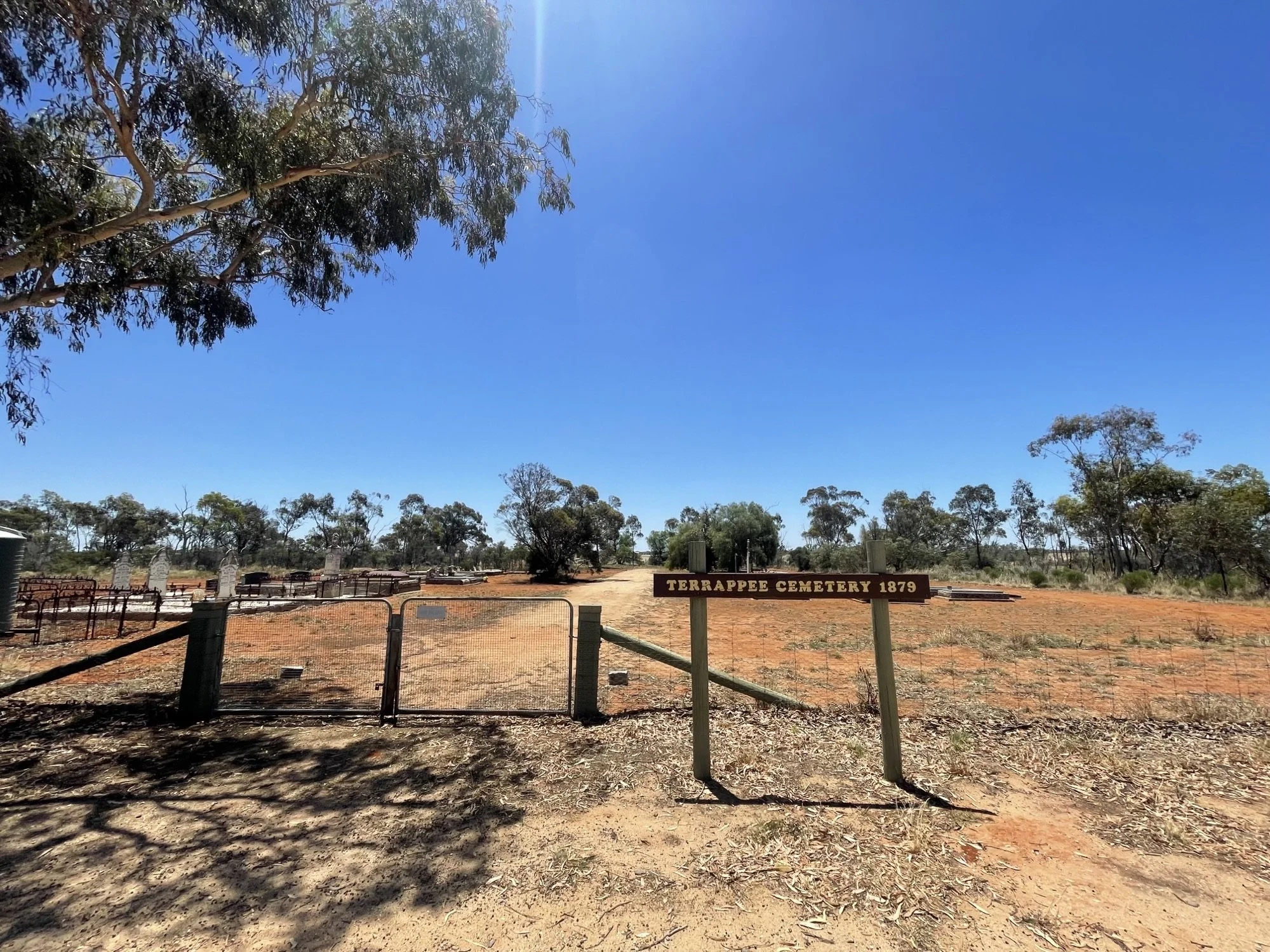
A grassland ecologist and a Landcare facilitator walk into a cemetery…
Or, a nature conservation reserve adjoining the cemetery at Terrappee in the Loddon Mallee.
The purpose of the visit, aside from casual holiday Landcare, a picnic, and some end-of-season wildflower spotting, was to locate the elusive and threatened Eltham Copper butterfly - a species thought to be extinct since the 1950’s until it was rediscovered in 1986.
The usual suspects are credible for the demise in butterfly populations, which include the destruction of native habitat for land clearing and agriculture, slashing, burning and grazing. But hope remains in revitalized interest for what is now recognized as an Action Icon Species as part of a DEECA funding initiative for conservation of threatened species in Victoria.
One of the largest populations of Eltham Cooper Butterflies has been discovered in the Wimmera at Gerang Gerung by ecologists from the Wetland Revival Trust. The 500 strong population was discovered through mapping sweet bursaria as the only food source known for the butterfly and has been supported recently with local efforts to revegetate and conserve both plant and butterfly populations in the Wimmera through planting and weeding working bees in 2025, as part of the Victorian governments Icon Species program and the Wetland Revival Trust project ‘Eltham Copper Butterflies in the Wimmera’.
We were drawn to Terrappee for its impressive populations of sweet bursaria Bursaria spinosa, a species known to be critical habitat and diet for the endangered butterfly. The day was warm and still, which is optimal conditions for butterfly sighting, but the bursaria was at the end of season for flowering and thus provided a less than appealing feeding ground as no butterflies were sighted.
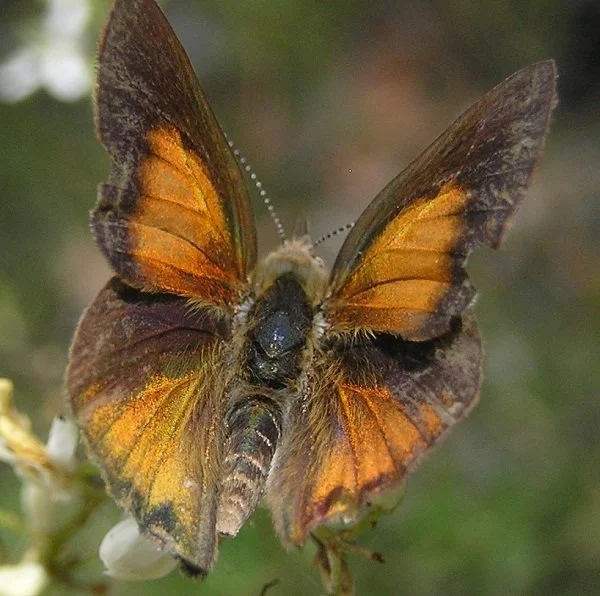
Eltham Copper Butterfly Paralucia pyrodiscus lucida
In place of rare butterflies, what we discovered instead was an end of season wonderland of native species, old growth and natural rarities. One specific example was an old growth hakea that time had split in two, with estimations of the surviving bough being hundreds of years old, amongst endangered grasses and nationally rare flowers.
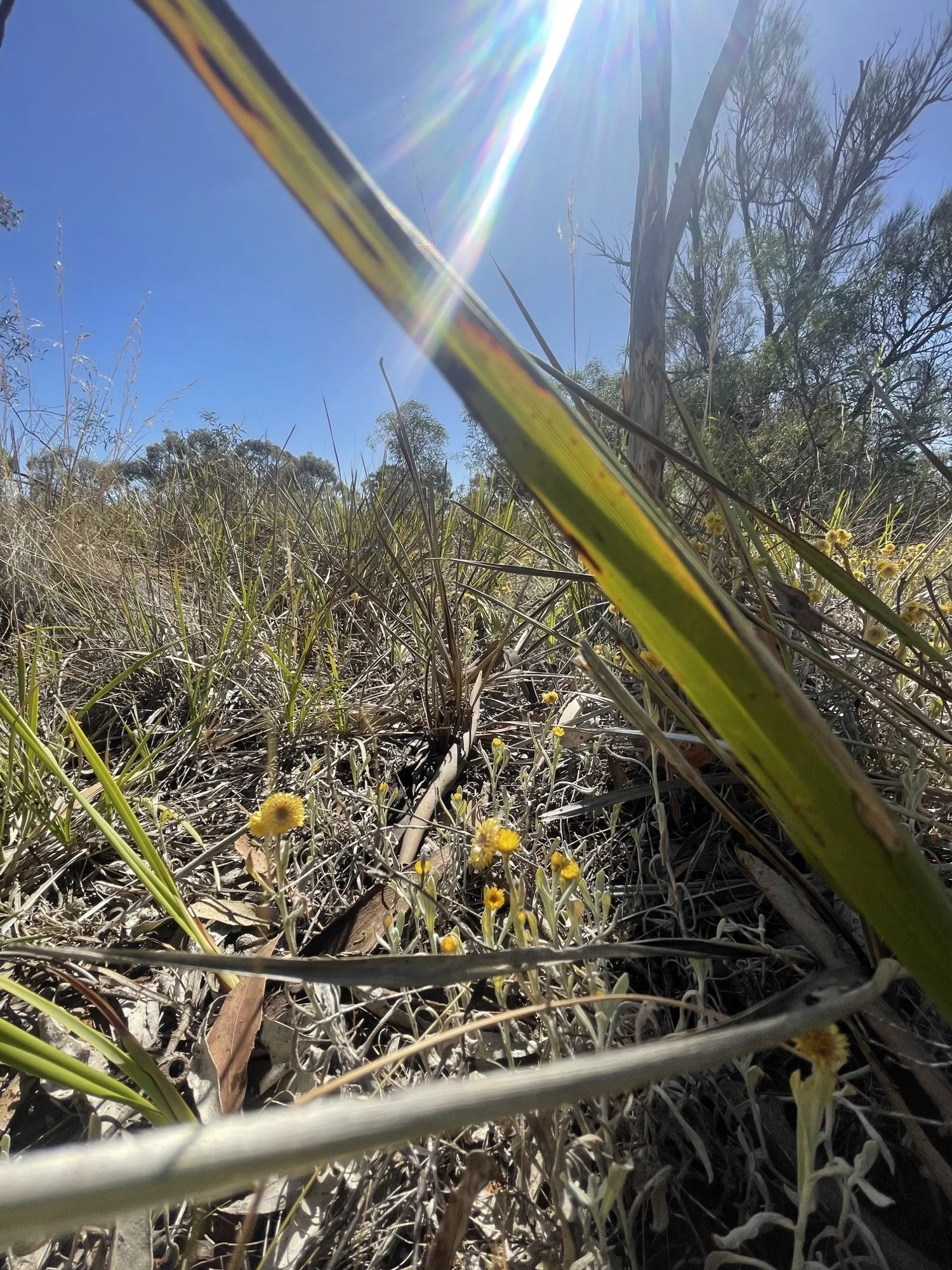
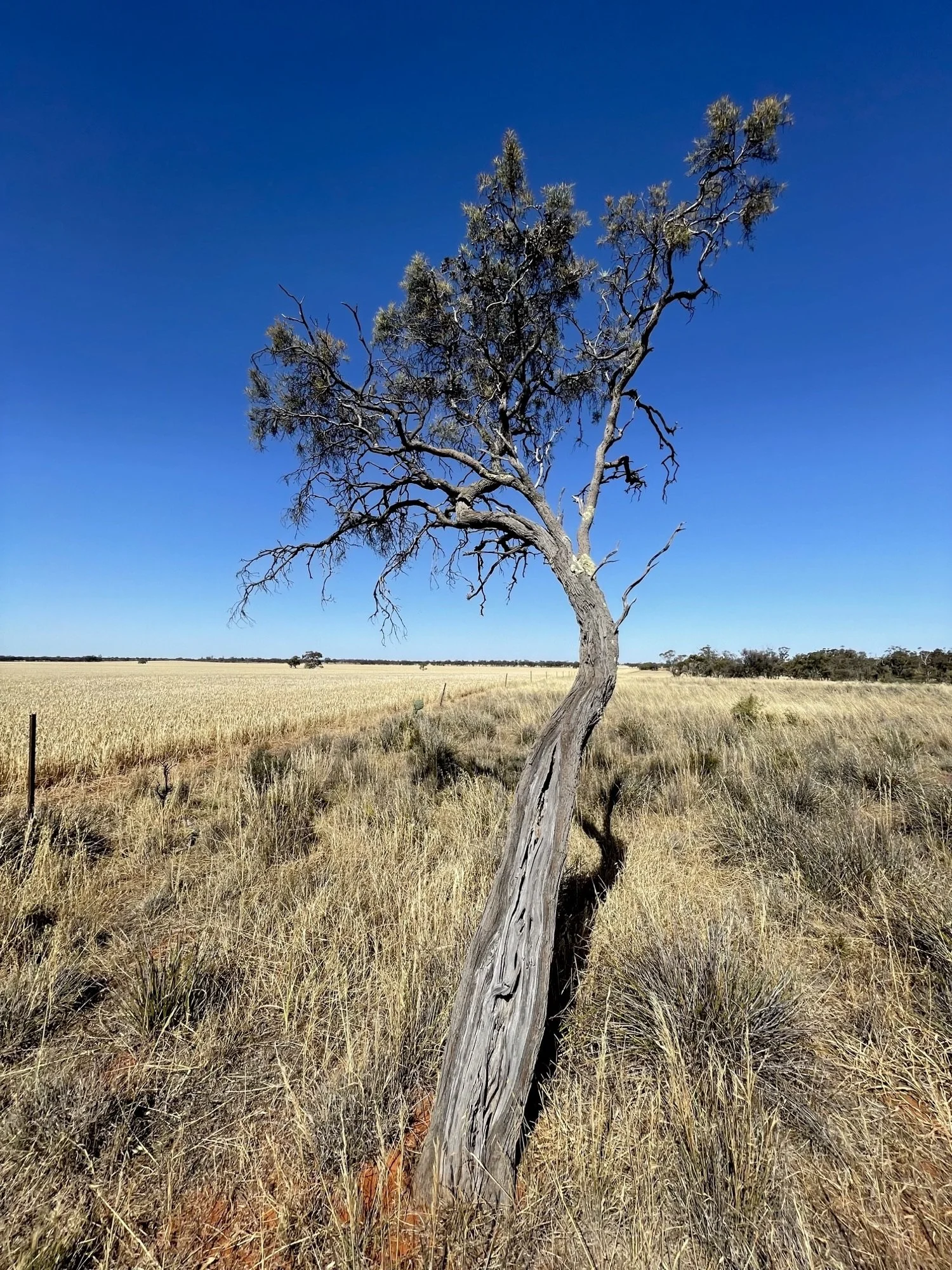
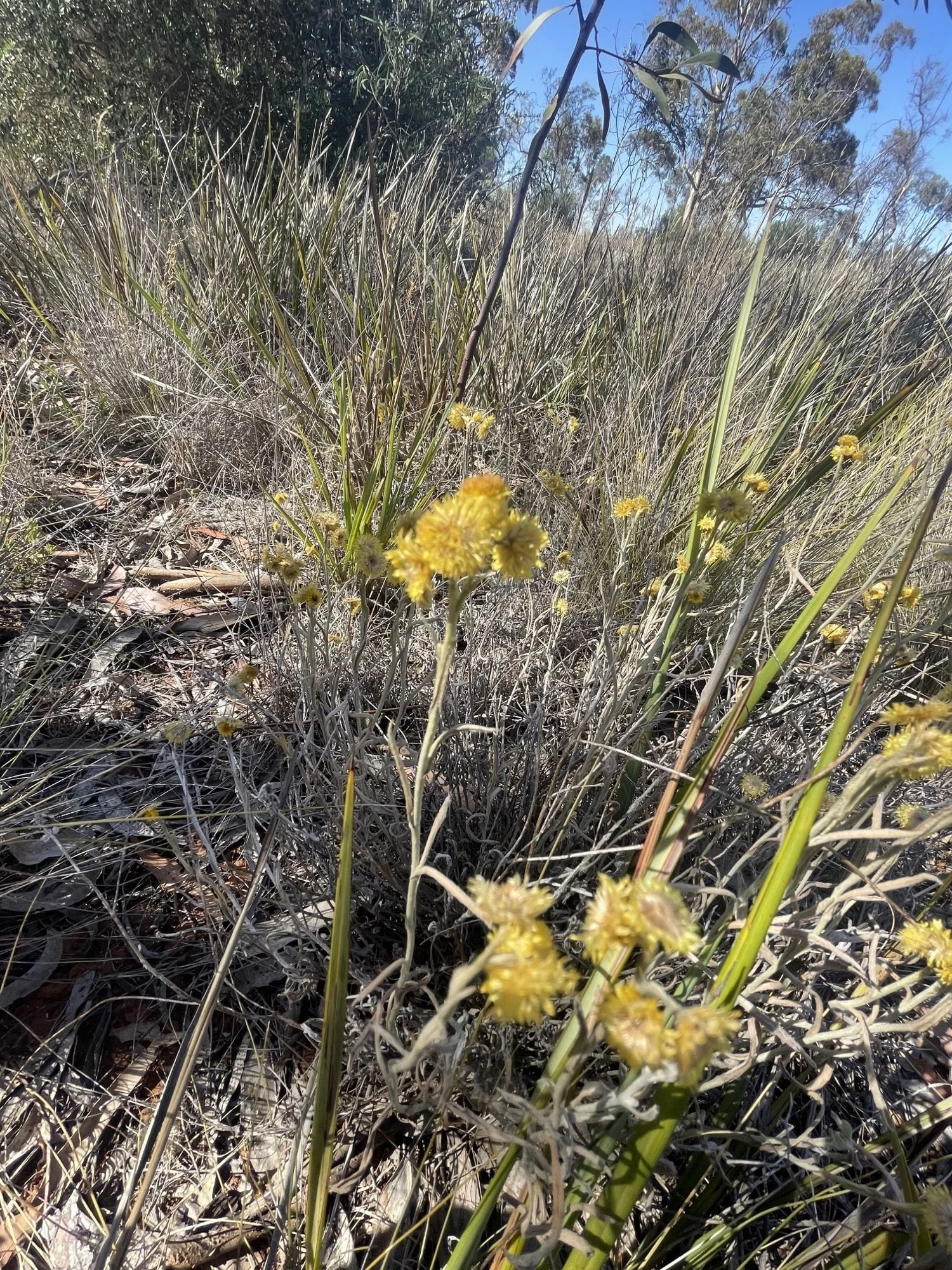
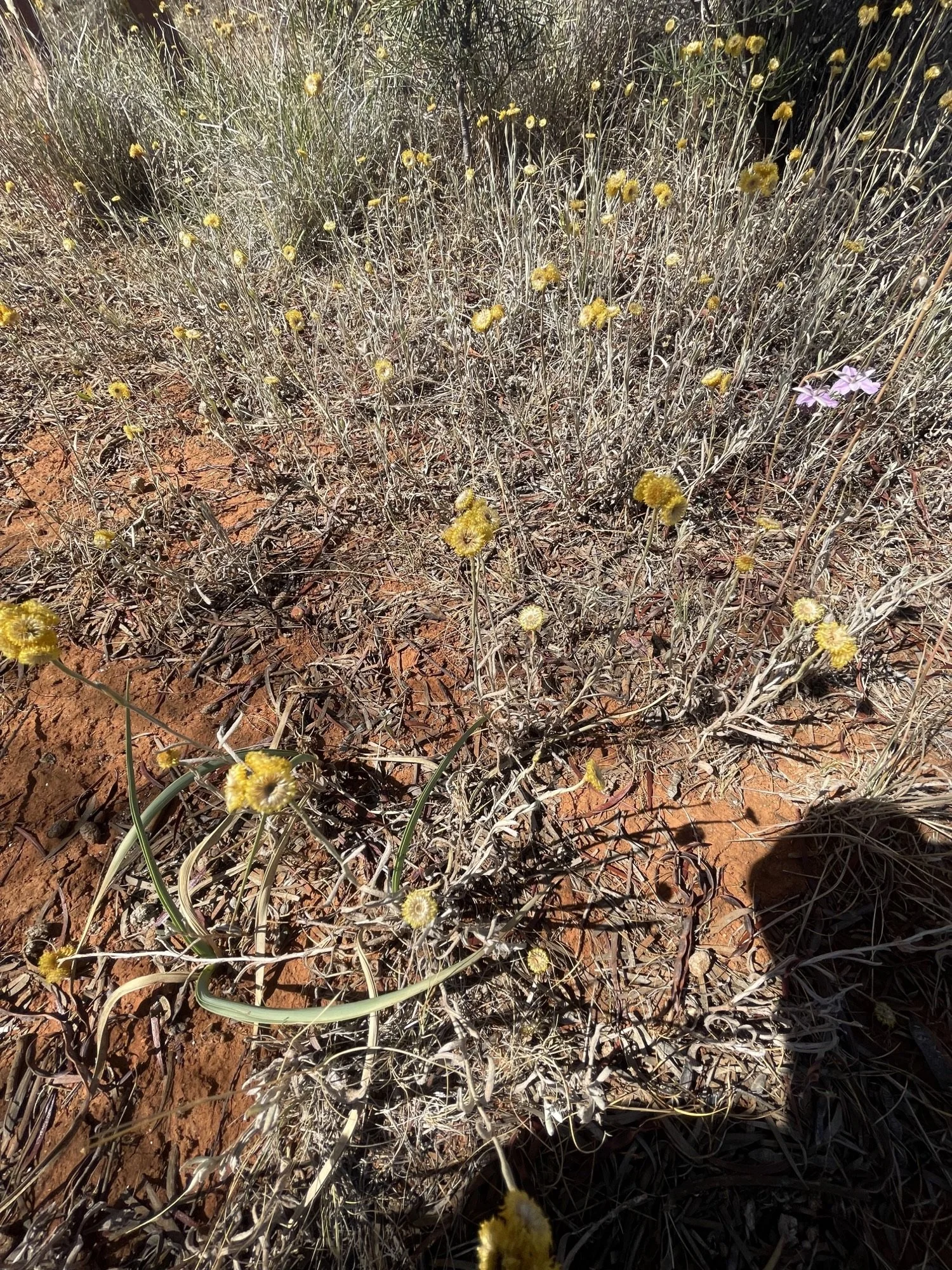
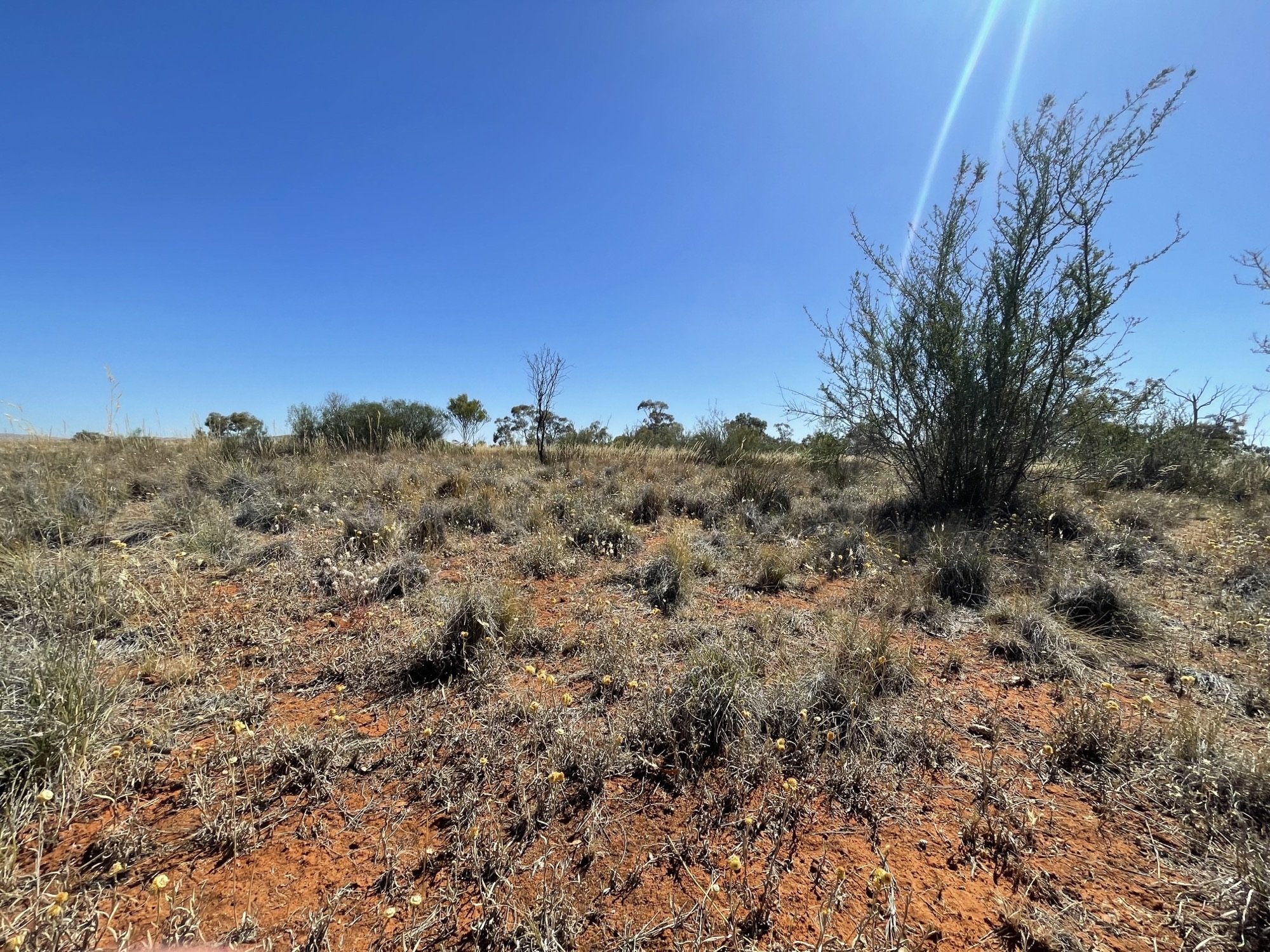
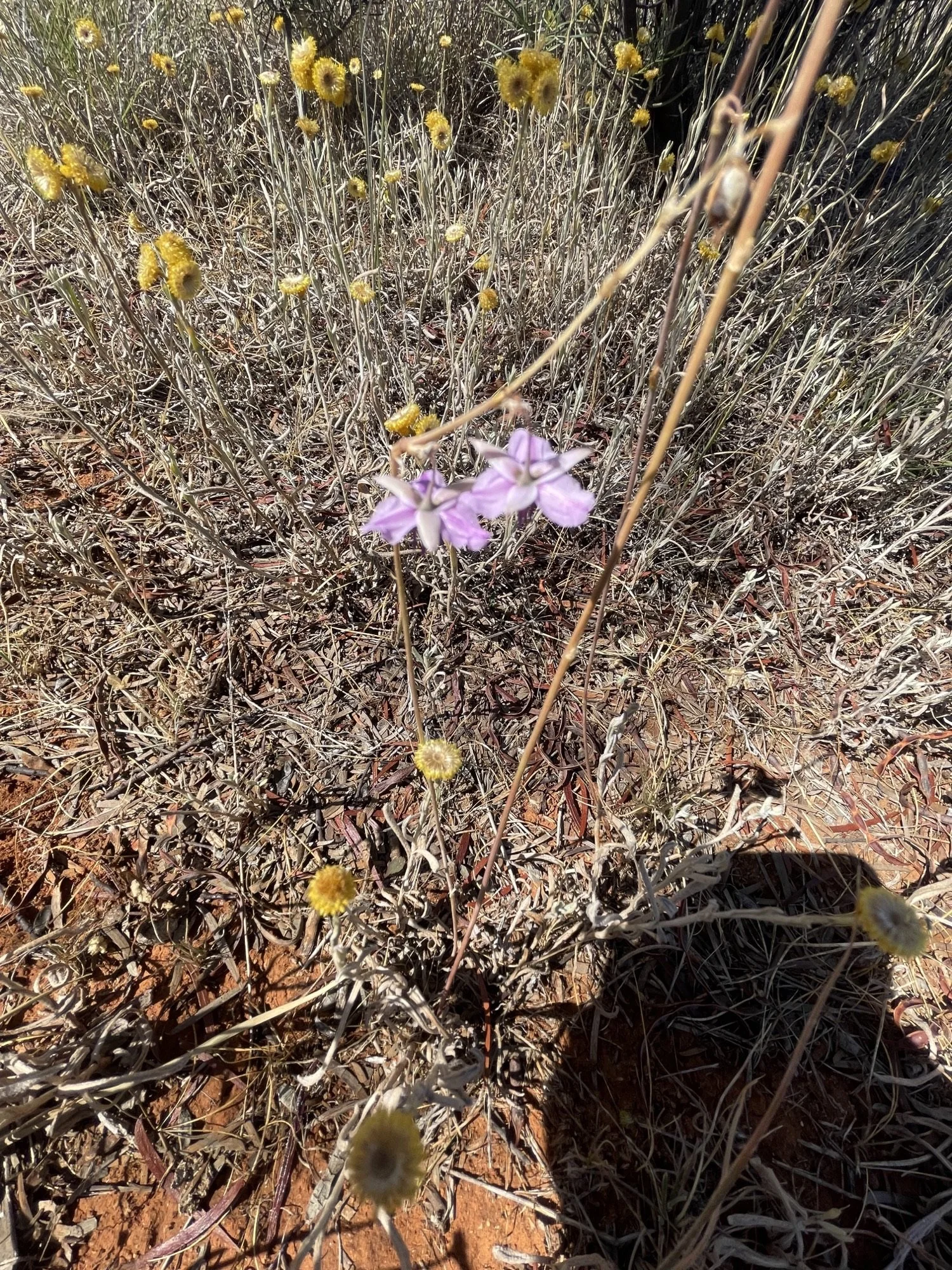
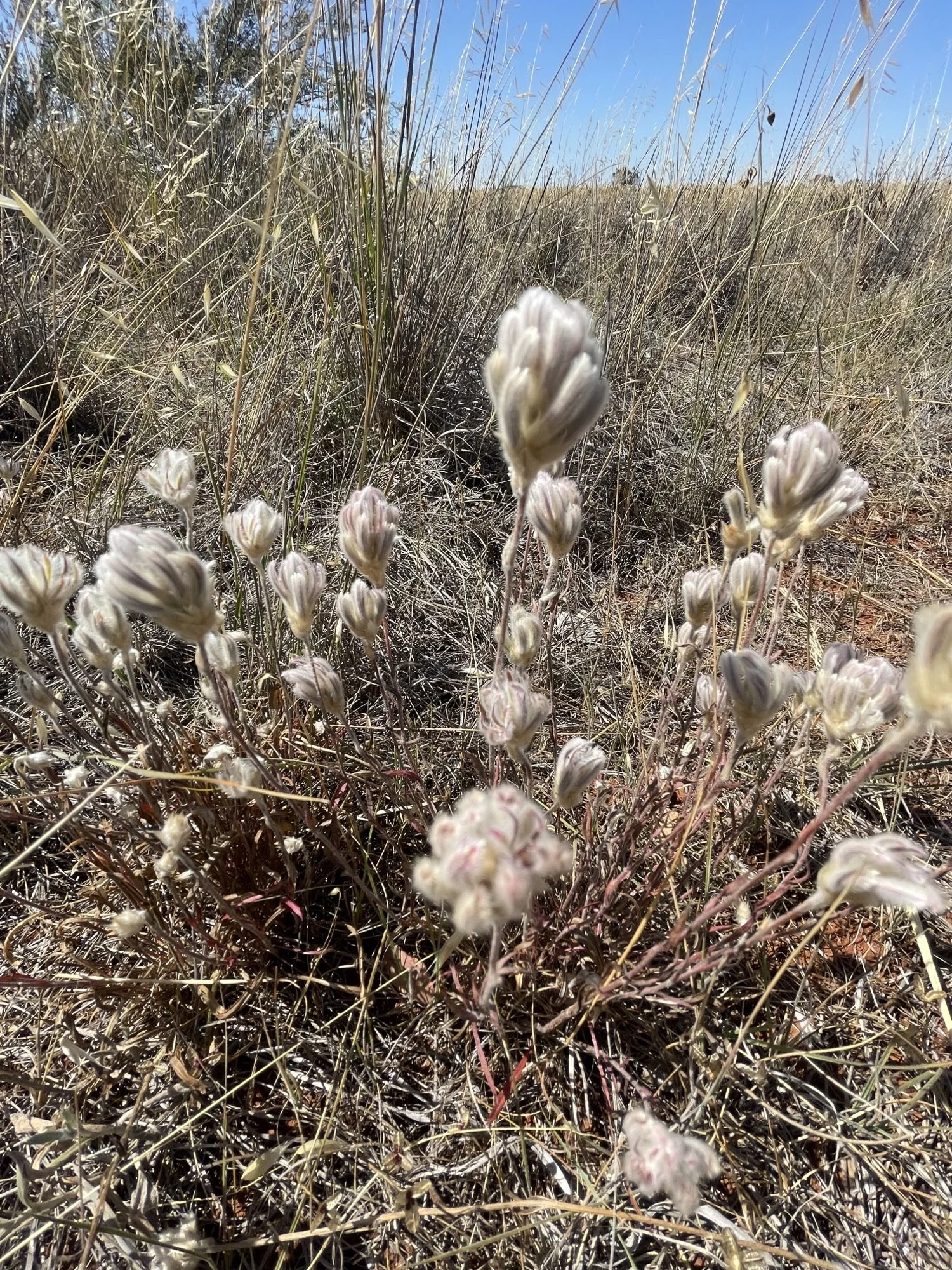
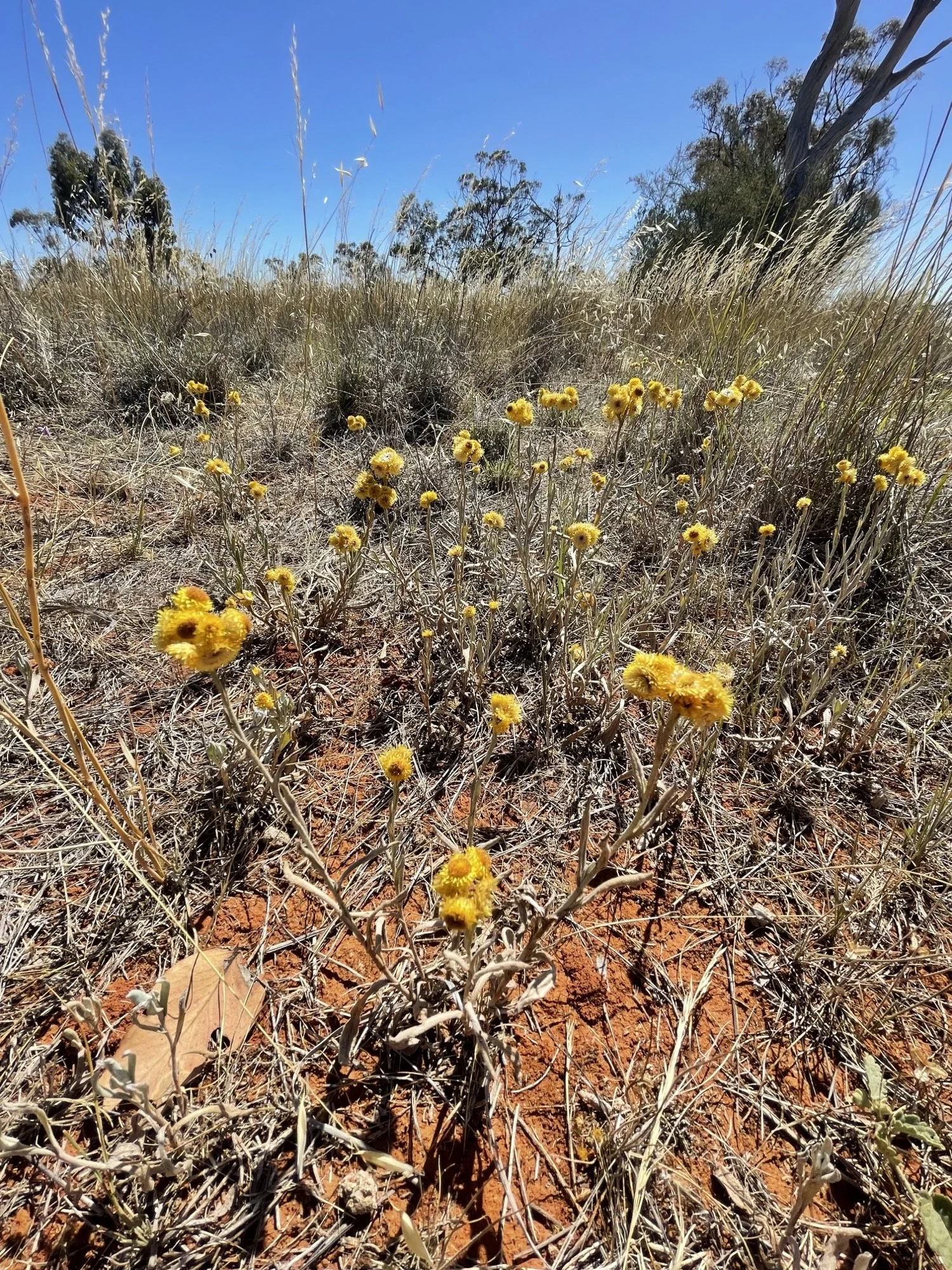
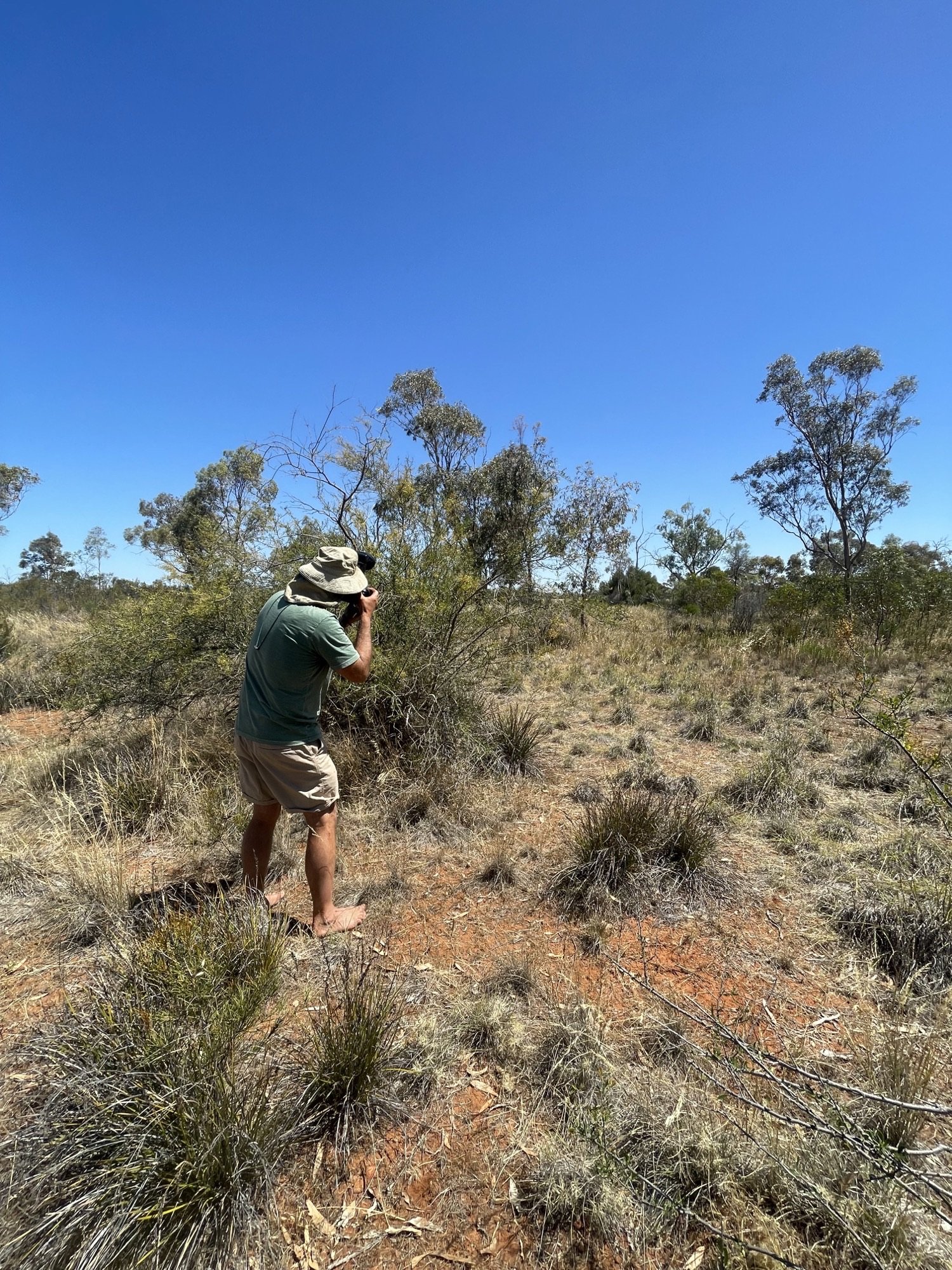
A wild bush Damo appeared hunting for the elusive Eltham Cooper butterfly. Yarrilinks Landcare Network accepts no responsibility for the actions of barefoot ecologists in the field.
There’s a lot to be gained from explorations of little nature reserves in secluded locations, especially if you’re travelling with an ecologist, and whilst the Eltham Cooper Butterfly alluded us this time, the day gave great merit to the work of conservation in identifying and protecting vulnerable native species across both the Loddon, Mallee and Wimmera, and greater environmental landscape.